A life shaped by observation, courage and a determination to replace fear with understanding.
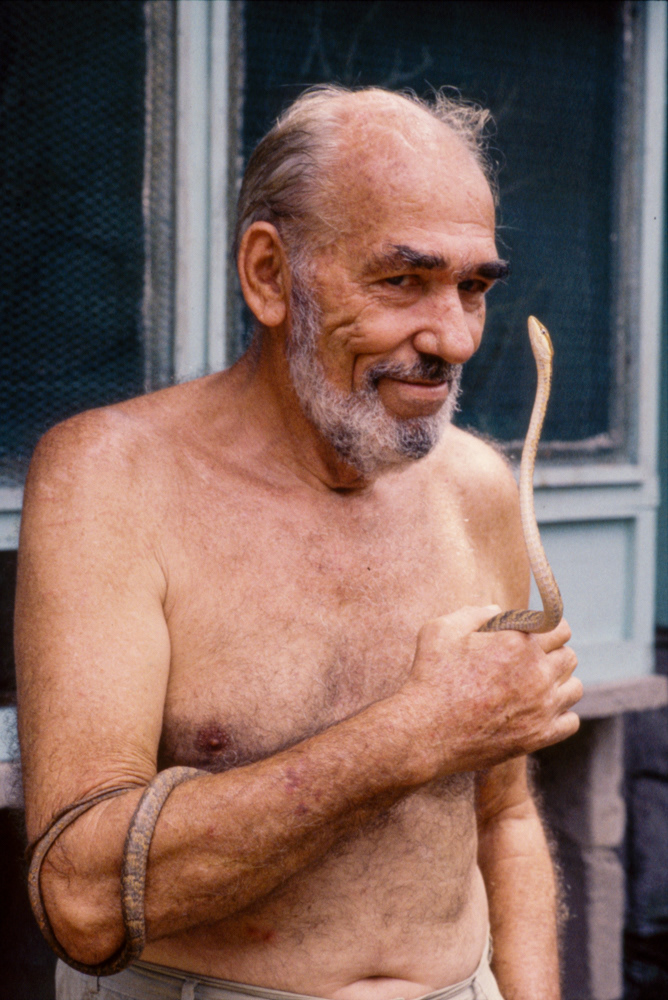
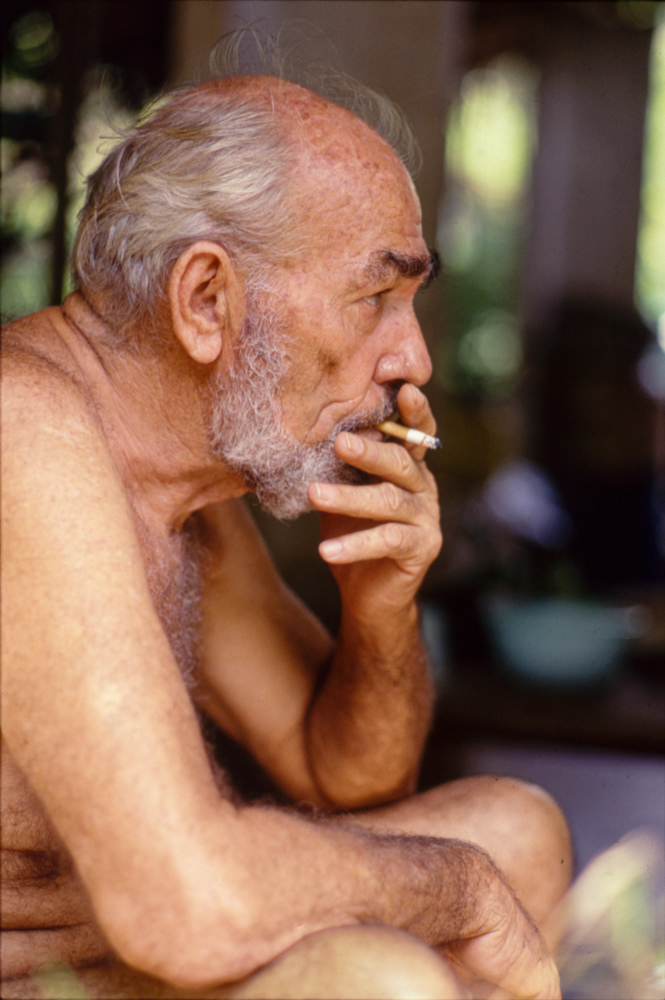
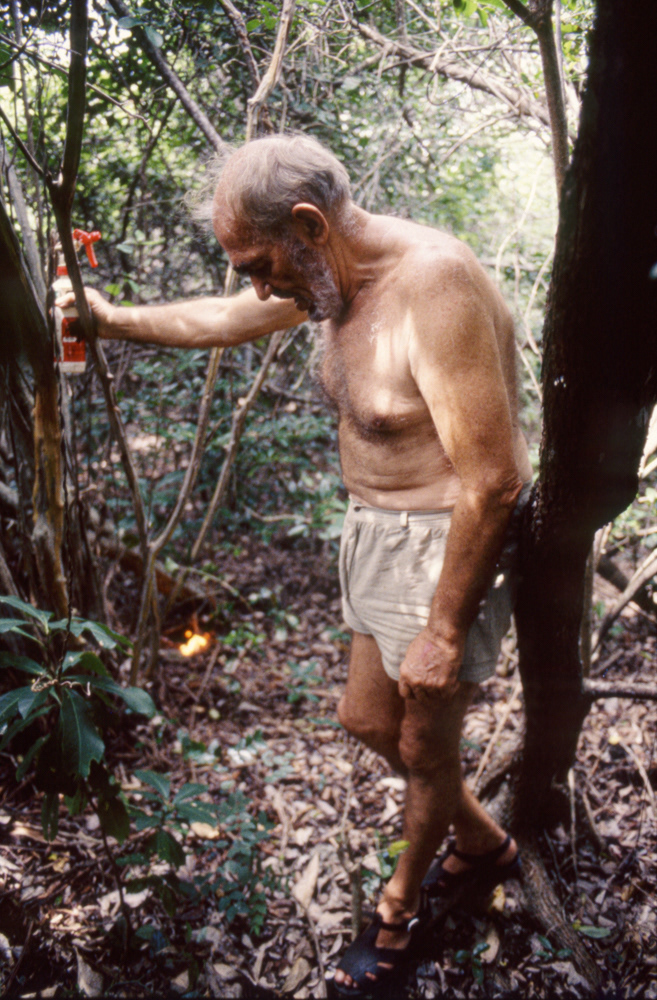
Long before a species of spitting cobra carried his name, James Ashe was studying East Africa’s reptiles, producing venom for antivenom and helping people understand animals more commonly met with fear. I photographed him at his snake farm near Watamu in 1984.
Words and photographs by Hax
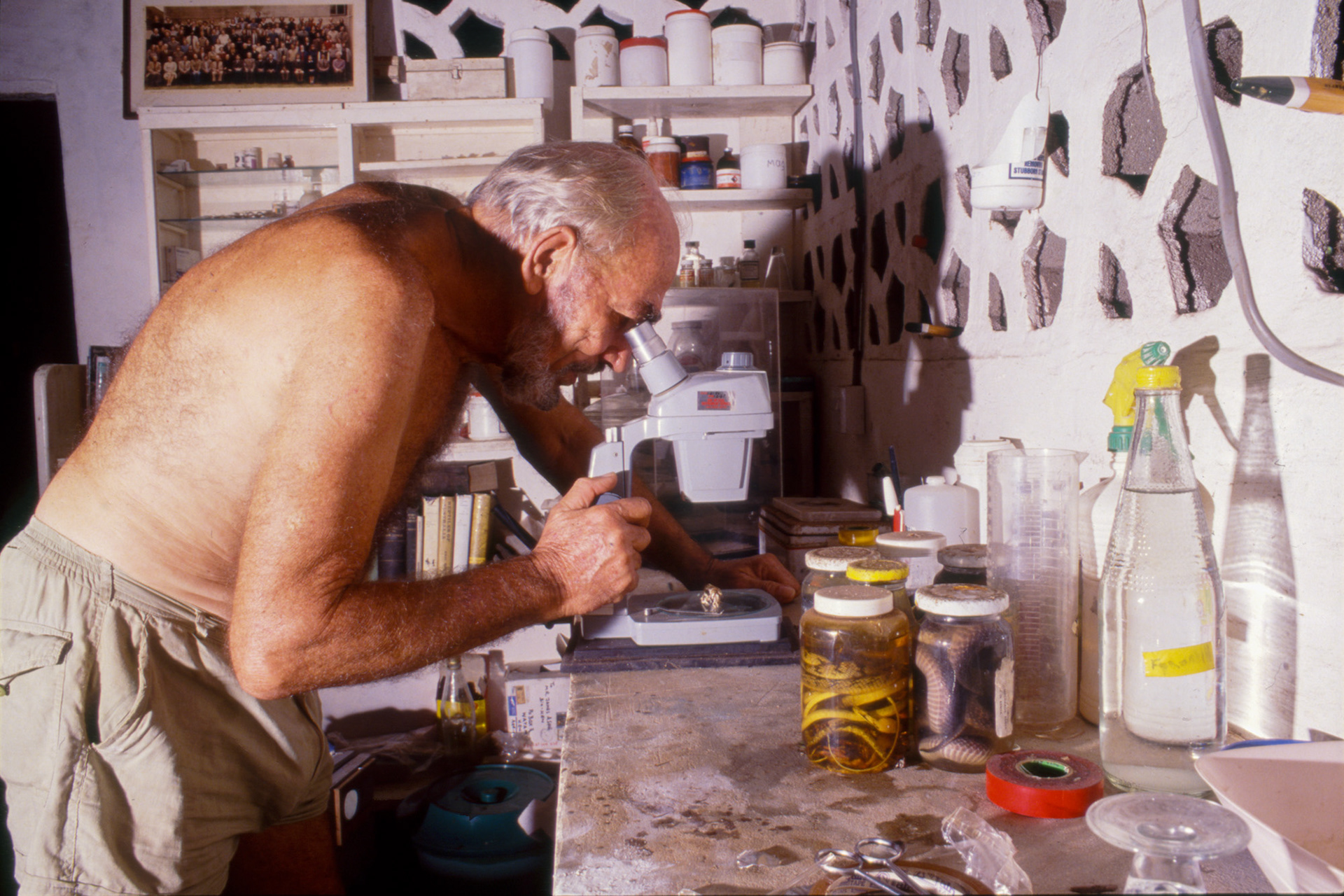
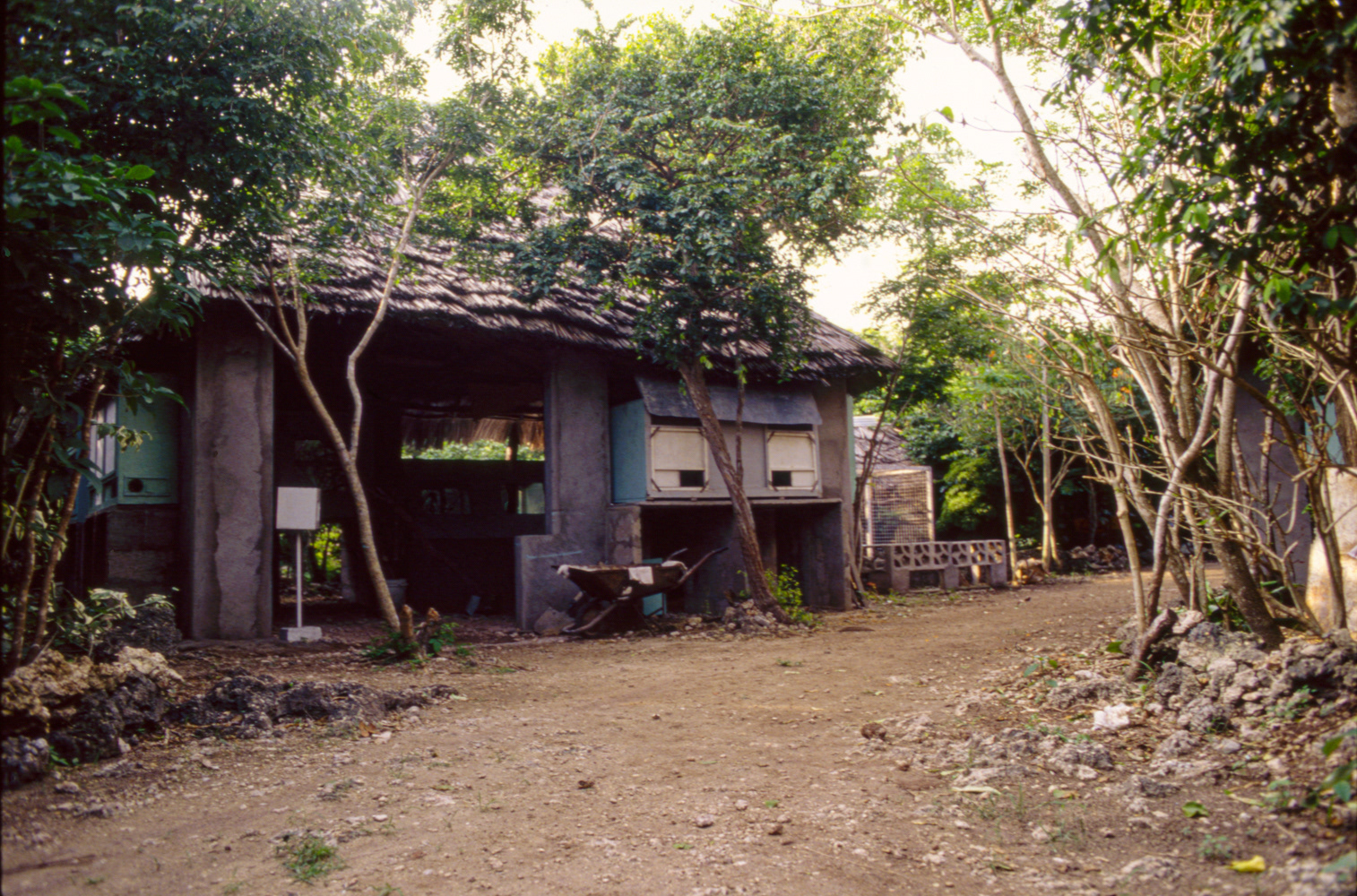
Finding the snake farm in 1984 meant leaving the tarmac road behind and following a rough track through the coastal bush outside Watamu.
Eventually, a modest house appeared between the trees. Built more for purpose than appearance, its timber walls and corrugated roof seemed almost improvised, parts of the structure held together, as I remember, with little more than wire and determination.
James Ashe greeted me with an easy smile.
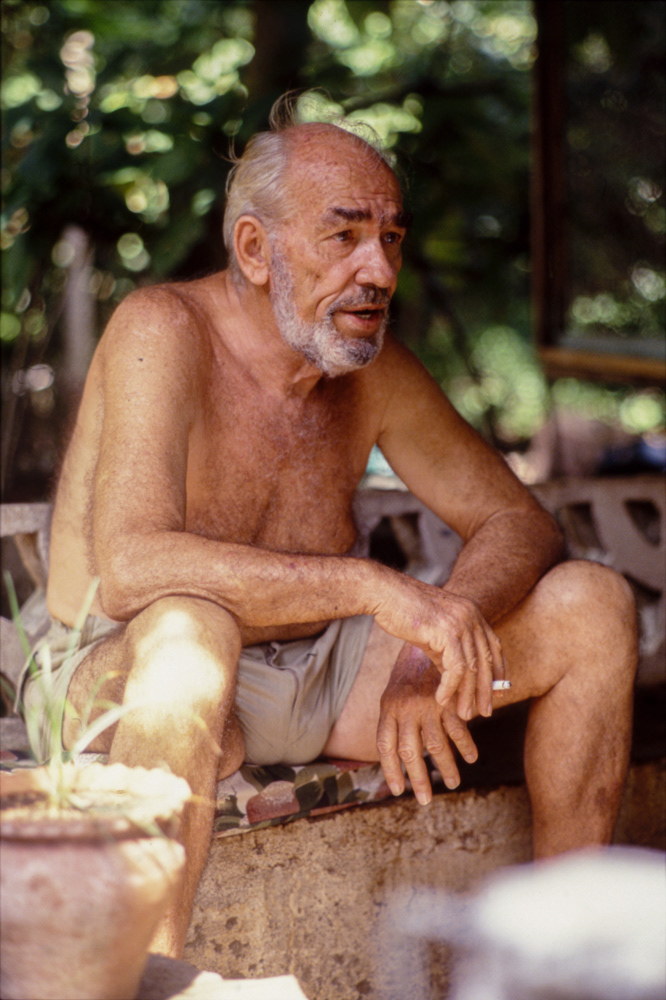
There was nothing theatrical about him. No sense that he considered his work extraordinary, despite spending his days among some of Africa’s most dangerous snakes. He welcomed me onto the veranda, where his wife, Sandra, brought tea, and before long the conversation flowed as naturally as though we had known each other for years.
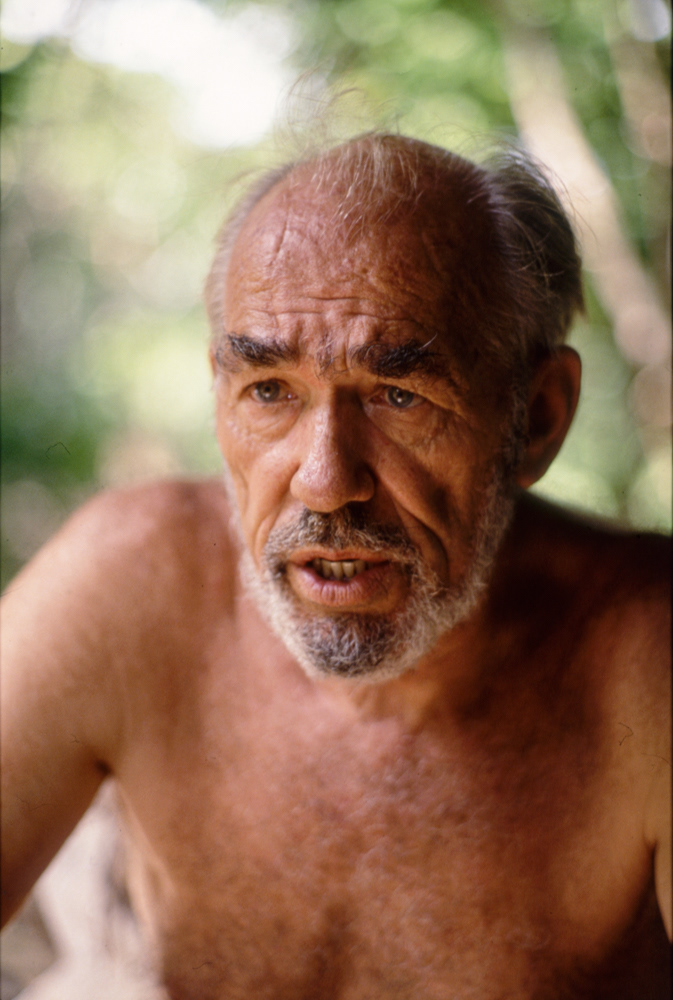
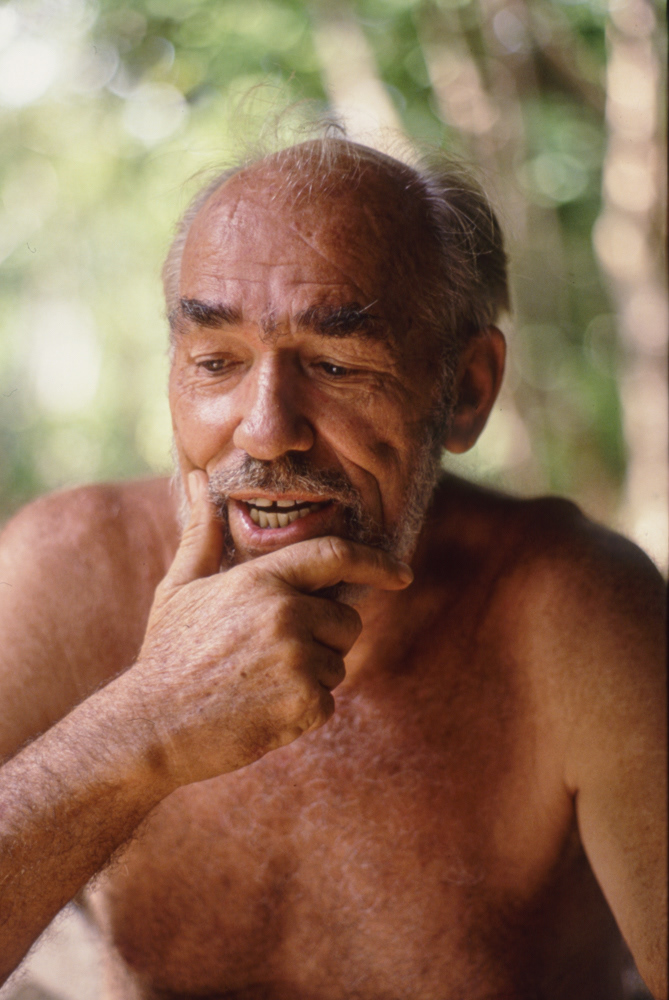
It was during those first quiet moments that I began photographing him.
Not as a scientist. Not as a snake expert. Simply as a man entirely comfortable in his own world.
Looking back, those portraits reveal something I only understood much later. Ashe’s confidence did not come from believing he had mastered nature. It came from respecting it.
After tea, he suggested we walk through the snake farm.
The atmosphere changed as soon as we entered the enclosures.
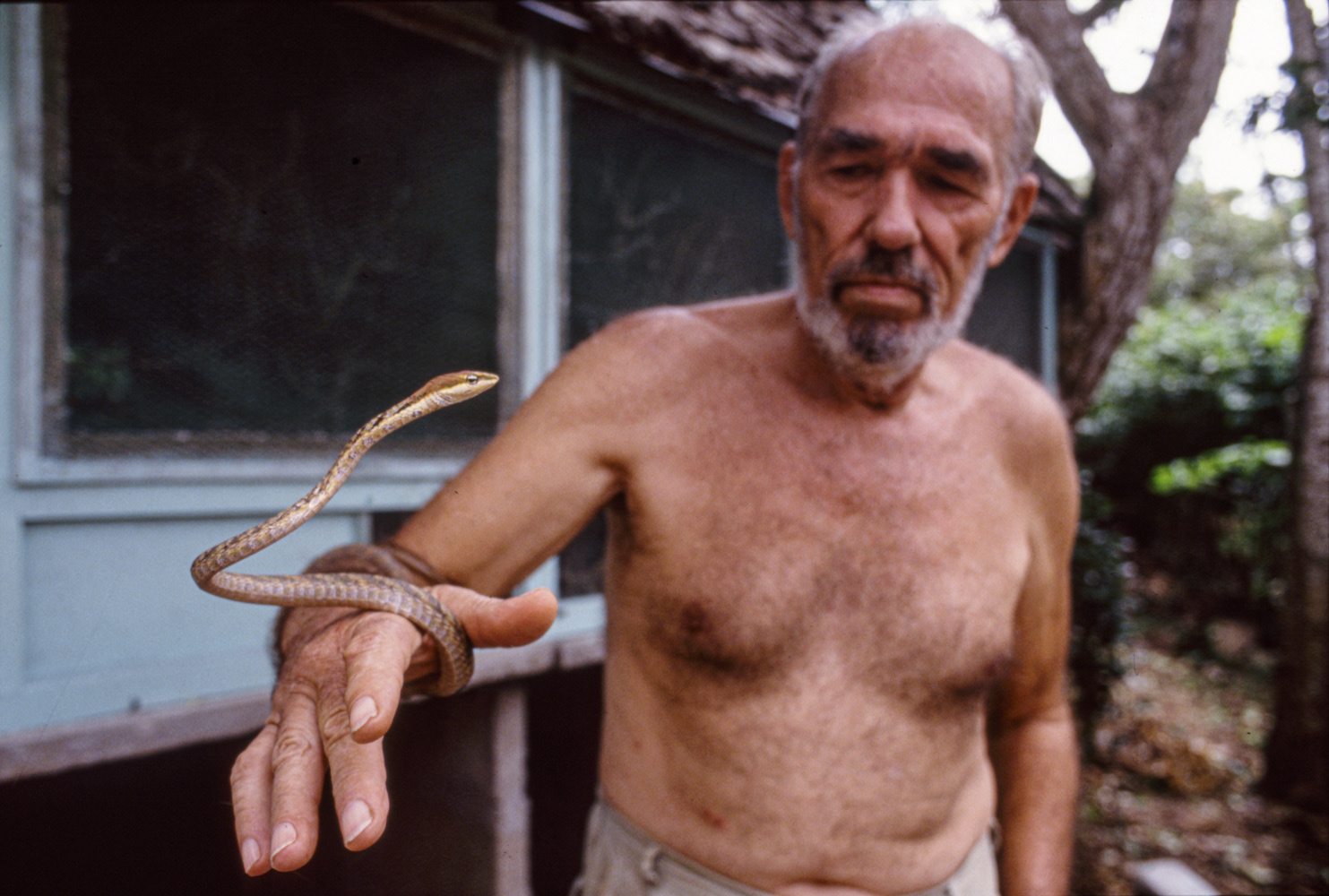
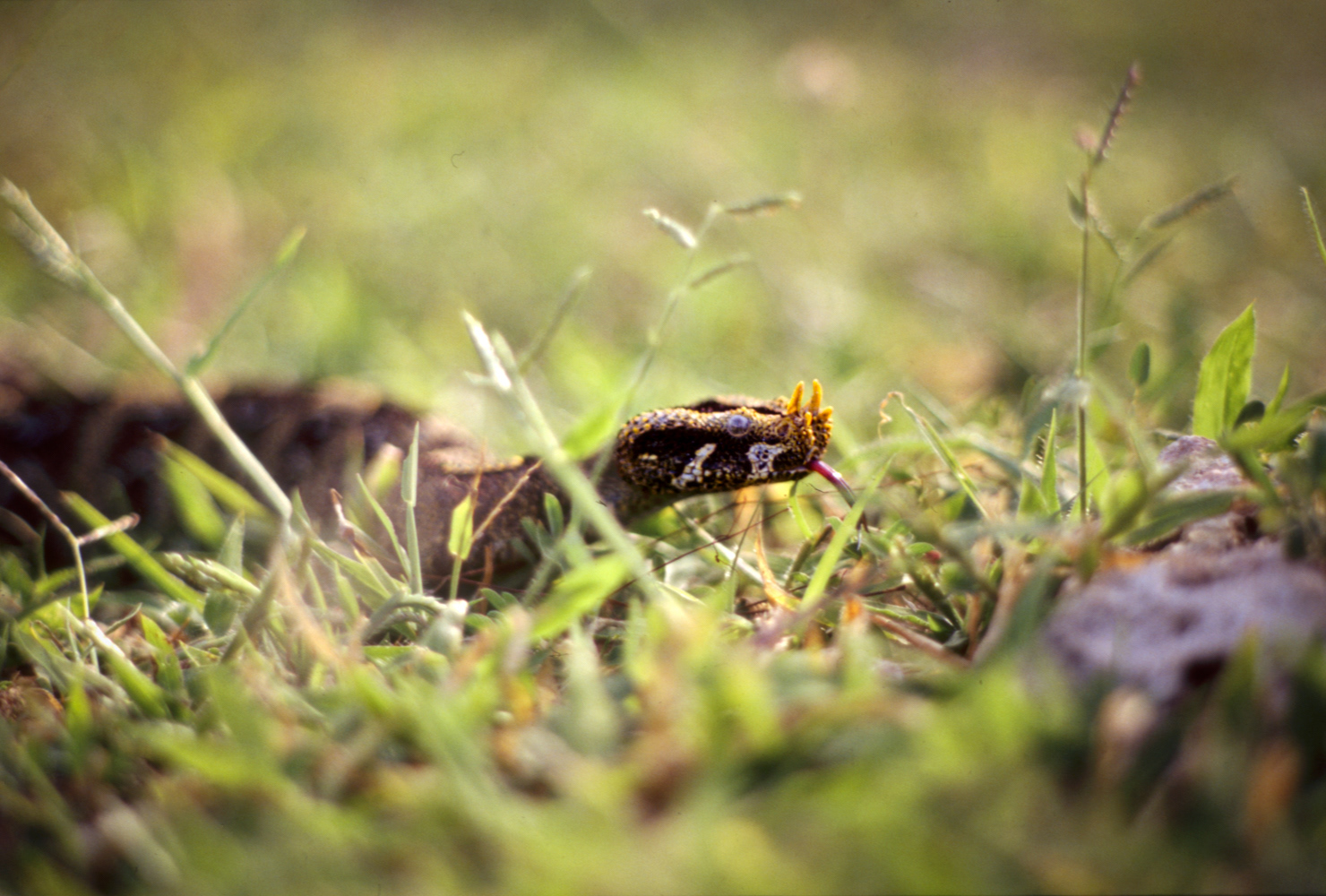
Snakes lined the pathways, each demanding a different level of caution. Ashe moved among them with calm assurance, explaining their behaviour, habitats and temperament with the precision of someone who had spent years observing rather than attempting to conquer them.
Inside his laboratory, preserved specimens stood in glass jars while microscopes, notebooks and practical equipment filled the benches. This was not science arranged for display. Every observation had the potential to increase understanding or save a life.
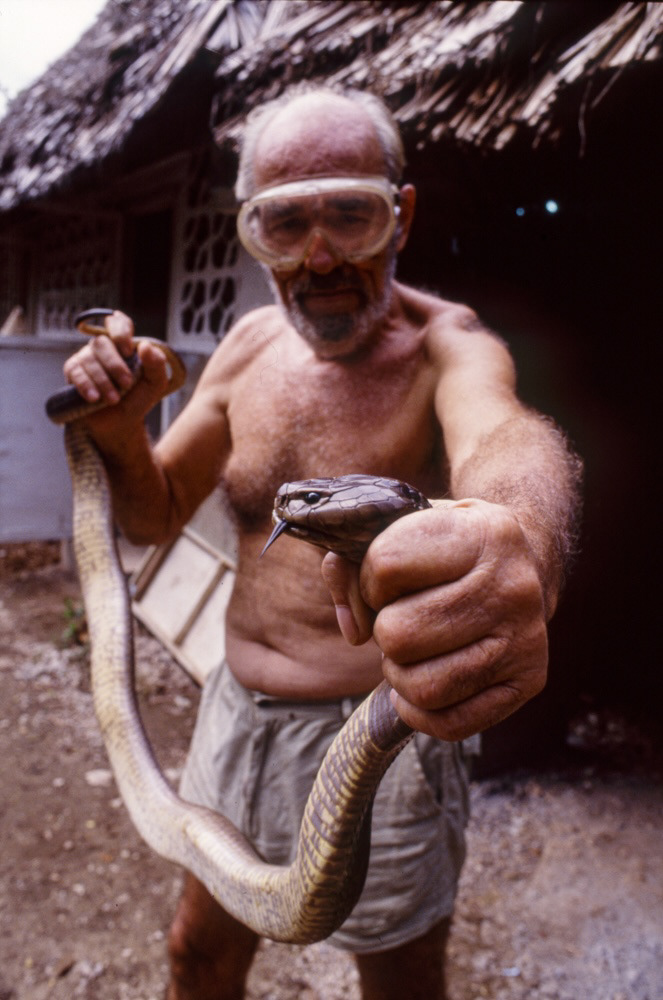
Then Ashe asked me to put on protective glasses.
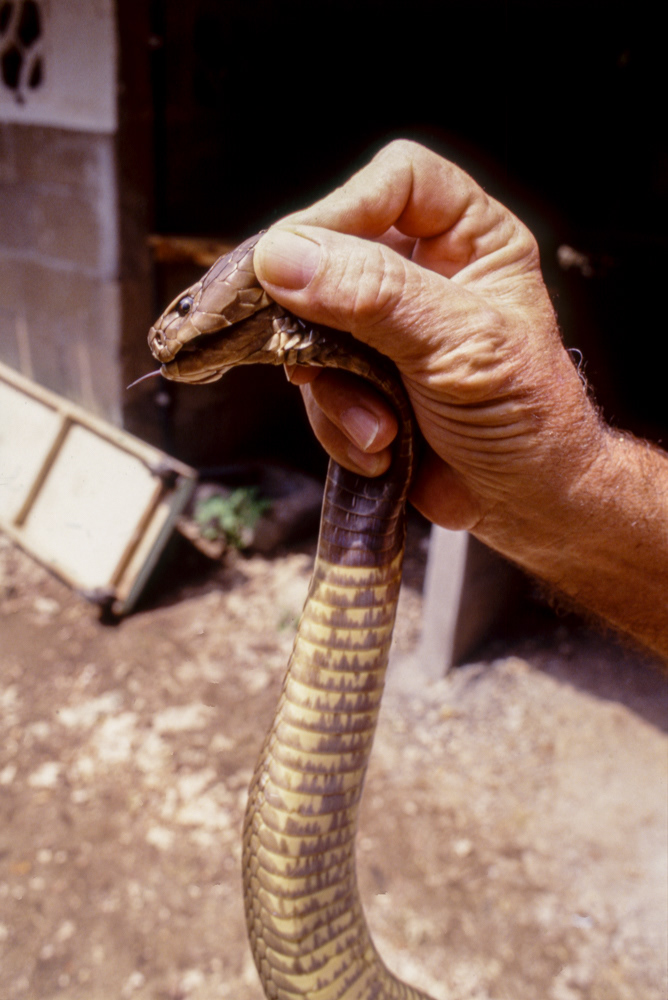
Only afterwards did he introduce me to one of his largest spitting cobras.
I instinctively reached for a longer lens.
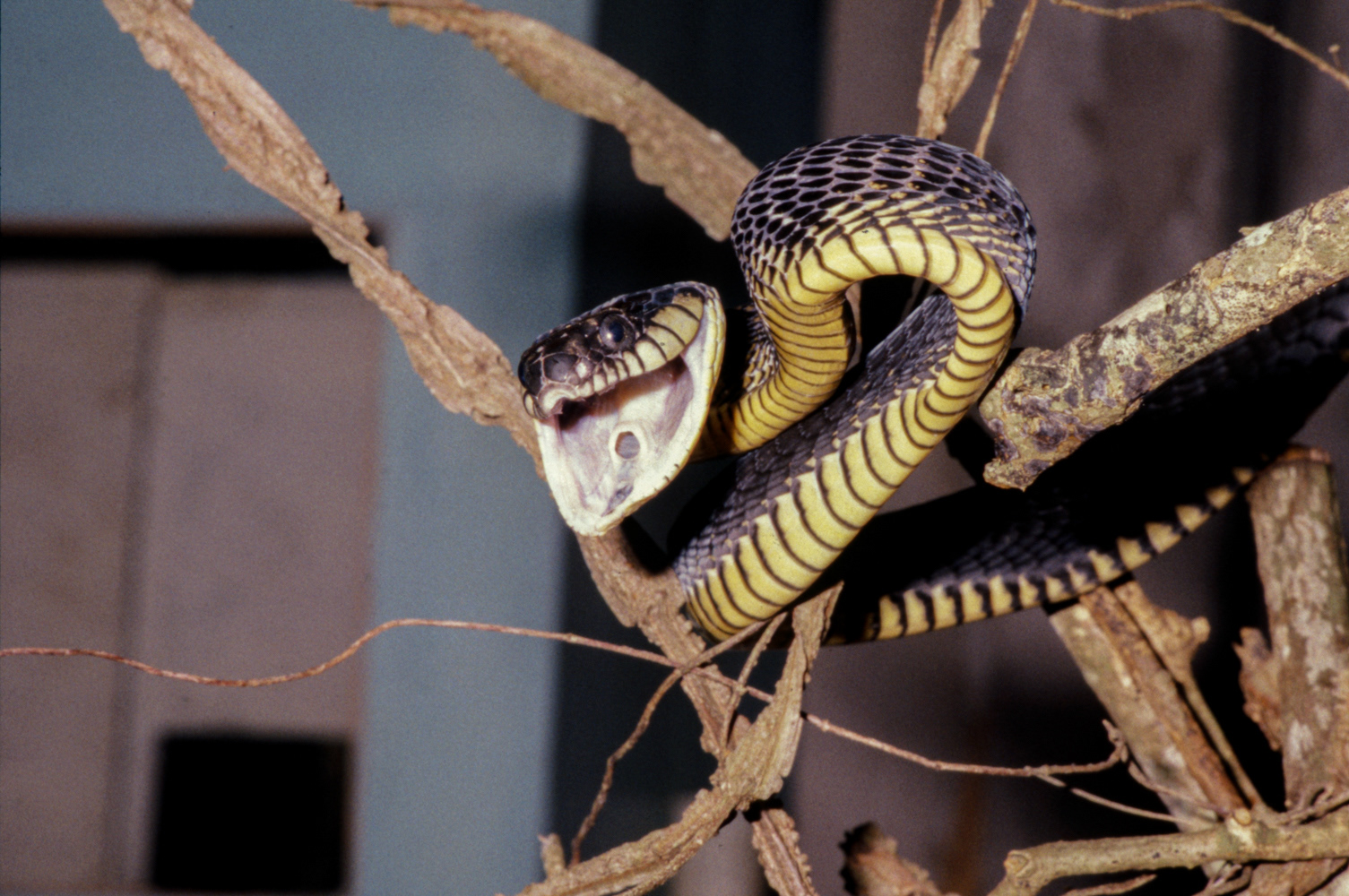
The snake rose, its hood fully extended, its body poised with astonishing power. Ashe remained composed, handling it with measured confidence while explaining that the venom could be projected accurately towards the eyes of a perceived threat.
Watching him work, it became obvious that this was never about bravado.
It was about understanding.
Ashe had noticed subtle differences between this cobra and the black-necked spitting cobra: its size, colouration and behaviour. Many years later, scientists formally recognised it as a distinct species and named it Naja ashei in his honour.
Yet I left Watamu believing that Ashe’s greatest contribution had little to do with taxonomy.
Snakebite was, and remains, a daily danger for many rural communities. Effective antivenom can mean the difference between life and death, but access has often been limited. Ashe devoted much of his life to collecting venom for antivenom production and helping people who arrived at his door needing urgent treatment.
Education was equally important.
He believed that fear often grew from ignorance. By demonstrating snake handling and explaining the behaviour of species that most people instinctively feared, he encouraged understanding without ever diminishing the danger.
That philosophy continues at the Watamu Snake Farm today. Visitors learn about East Africa’s reptiles through guided tours and live demonstrations, while the centre supports education, conservation and the supply of antivenom.
When I rediscovered these transparencies more than forty years after making them, I realised they documented more than an unusual encounter.
They recorded a pioneer before history had fully acknowledged his contribution.
Photography has a remarkable habit of doing that. It quietly preserves moments whose significance only becomes apparent with time.
The farm has grown. The work continues. The cobra now bears his name.
But perhaps James Ashe’s most enduring legacy lies in the lives touched through education, treatment and his belief that knowledge is the best antidote to fear.
When I made these photographs, I thought I was recording an interesting man in an unusual environment. Only decades later did I understand that I had photographed the beginning of a legacy.
The James Ashe Photographic Narrative
A wider view of James Ashe, his snake farm and the quiet, practical work through which he replaced fear with knowledge.