A life shaped by animals, work and six acres of Romney Marsh
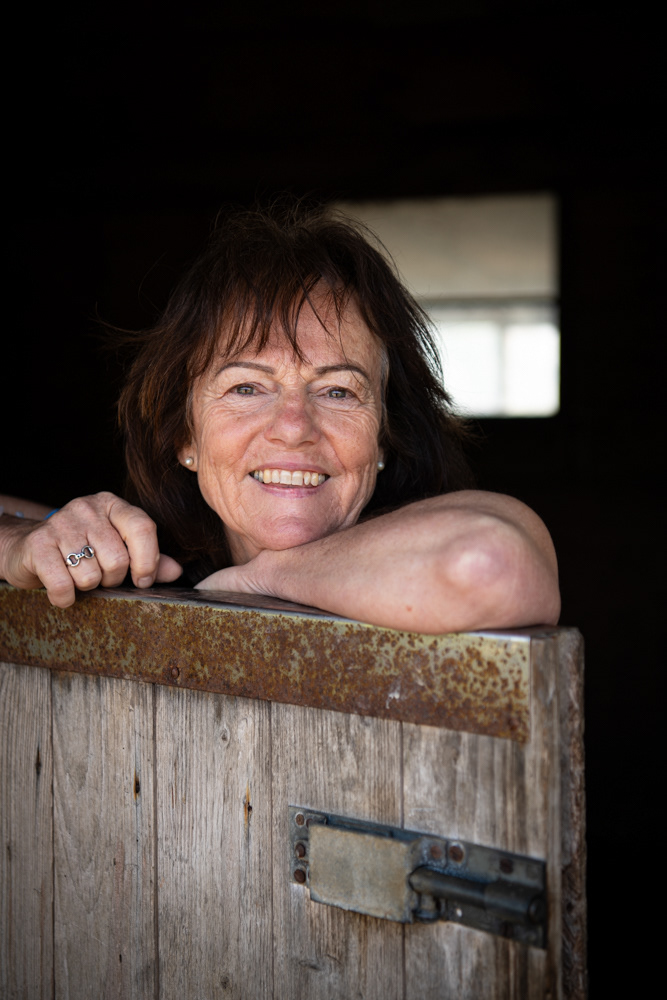
On a six-acre smallholding on Romney Marsh, Cathy Sugden keeps cows, horses, chickens and ducks while piecing together a living from the land. Her days are long, unpredictable and physically demanding, but beneath the apparent chaos is a life organised around work, resilience and an unwavering commitment to her animals.
Words and photographs by Hax
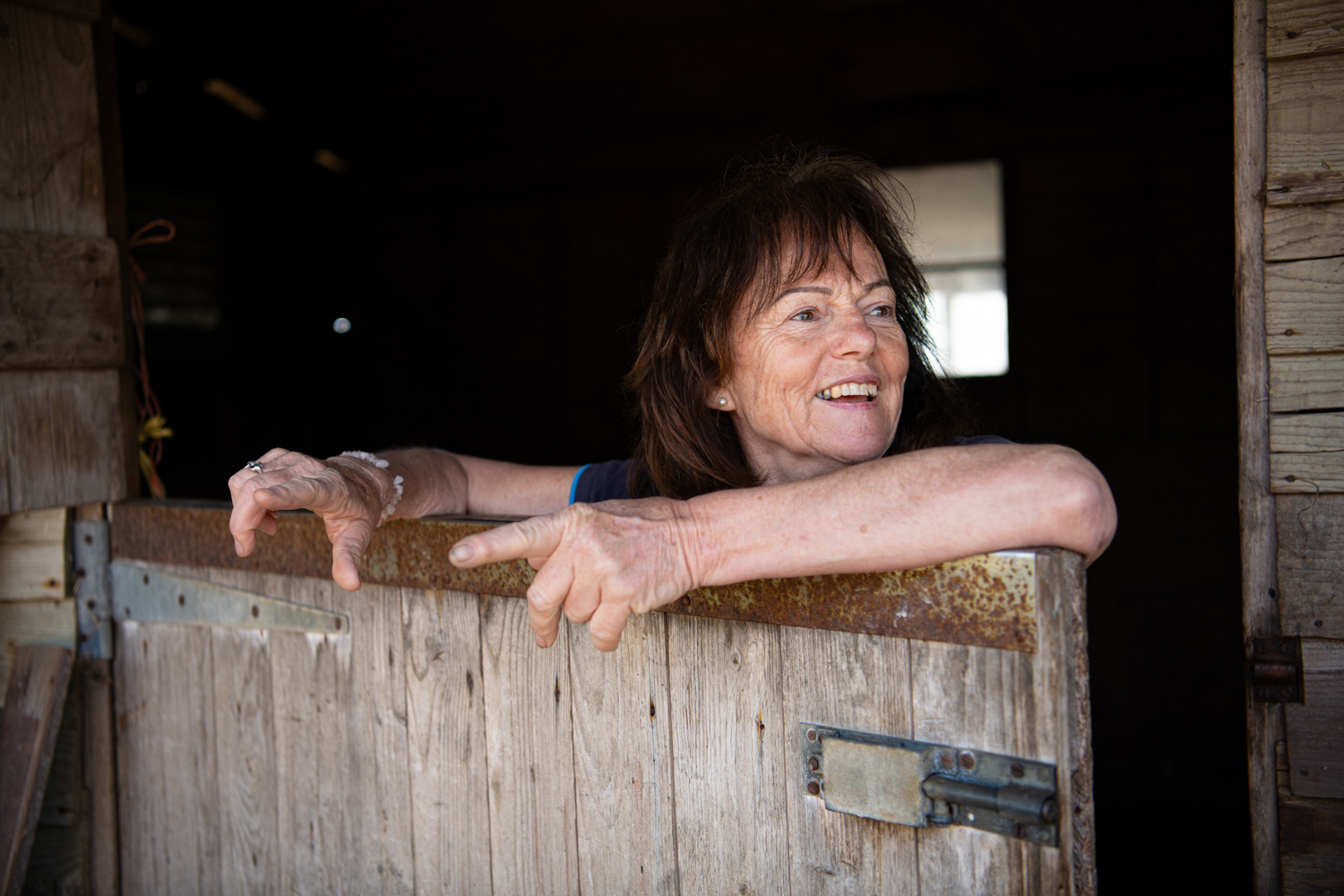
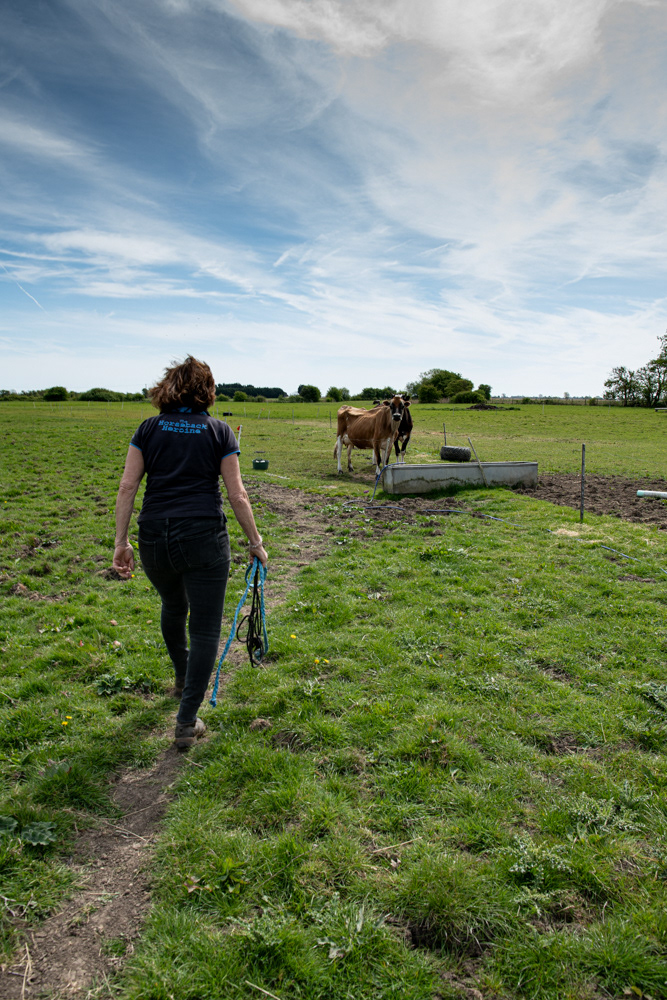
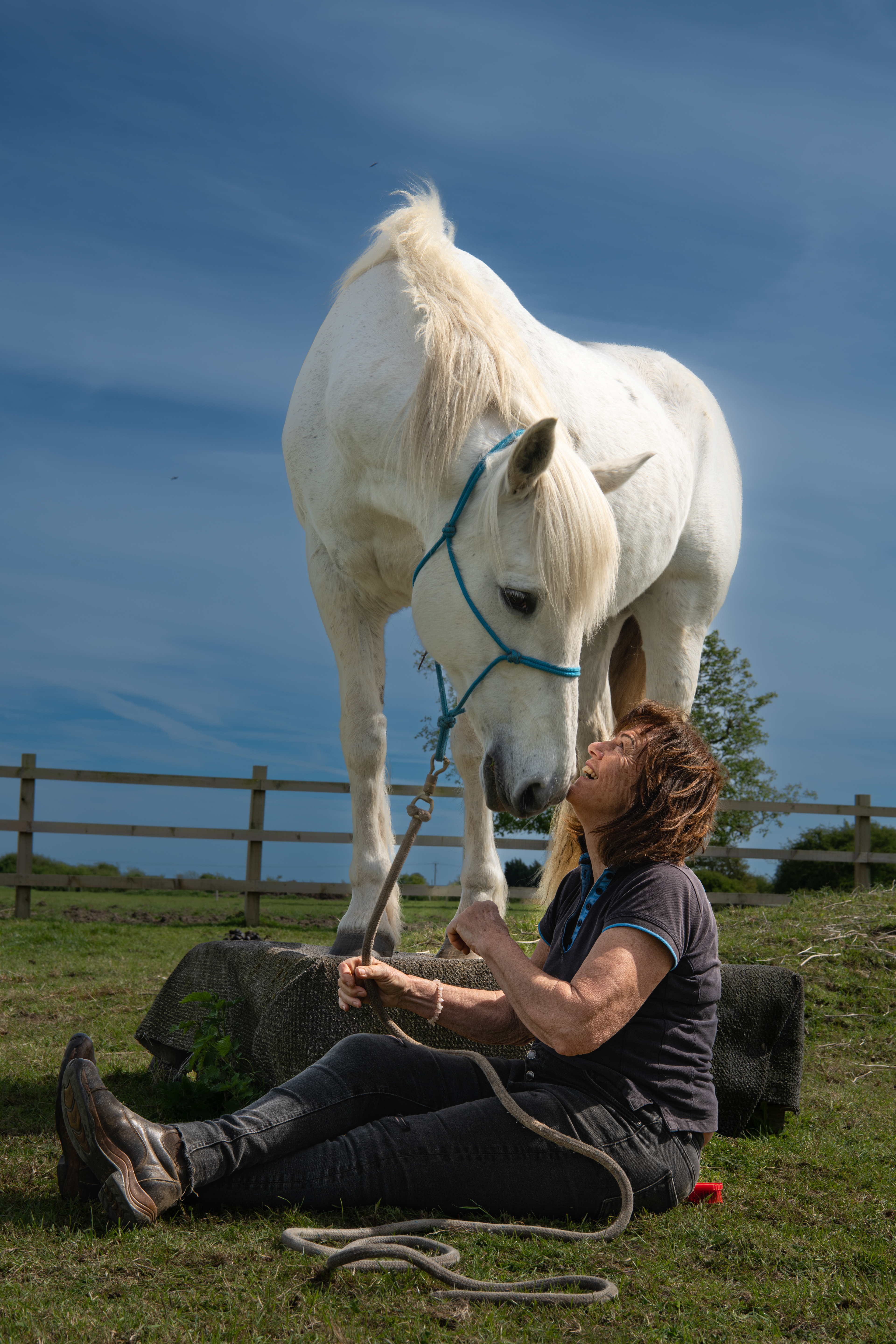
When I arrived at Cathy Sugden’s smallholding, she was in a stable shovelling horse manure. Thankfully, she did not offer her hand to shake, but her welcome was undeterred and enthusiastic. Almost straight away, she offered me a tour of her land.
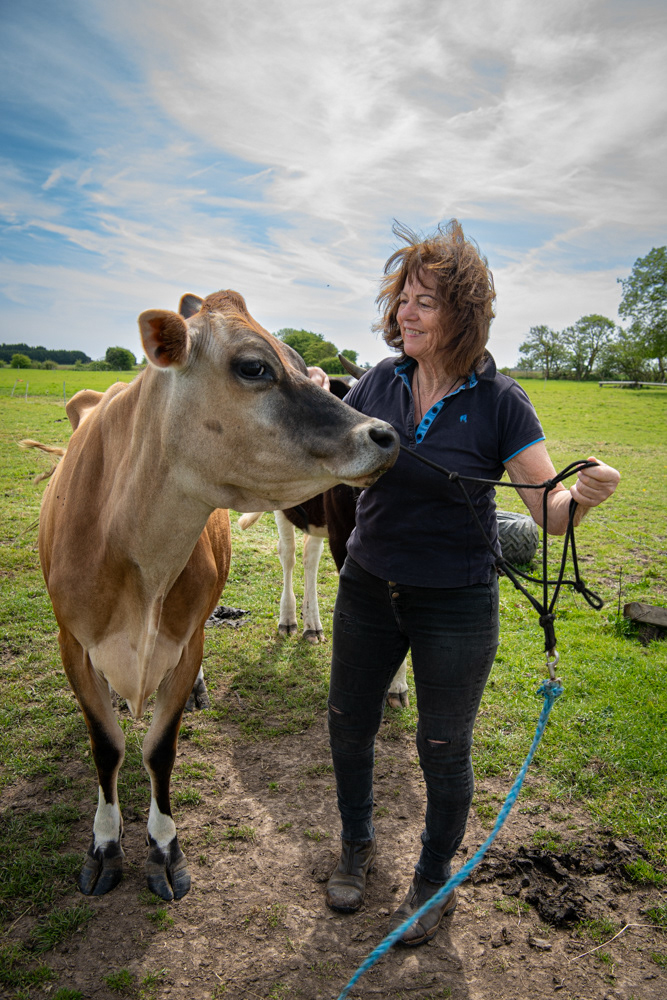
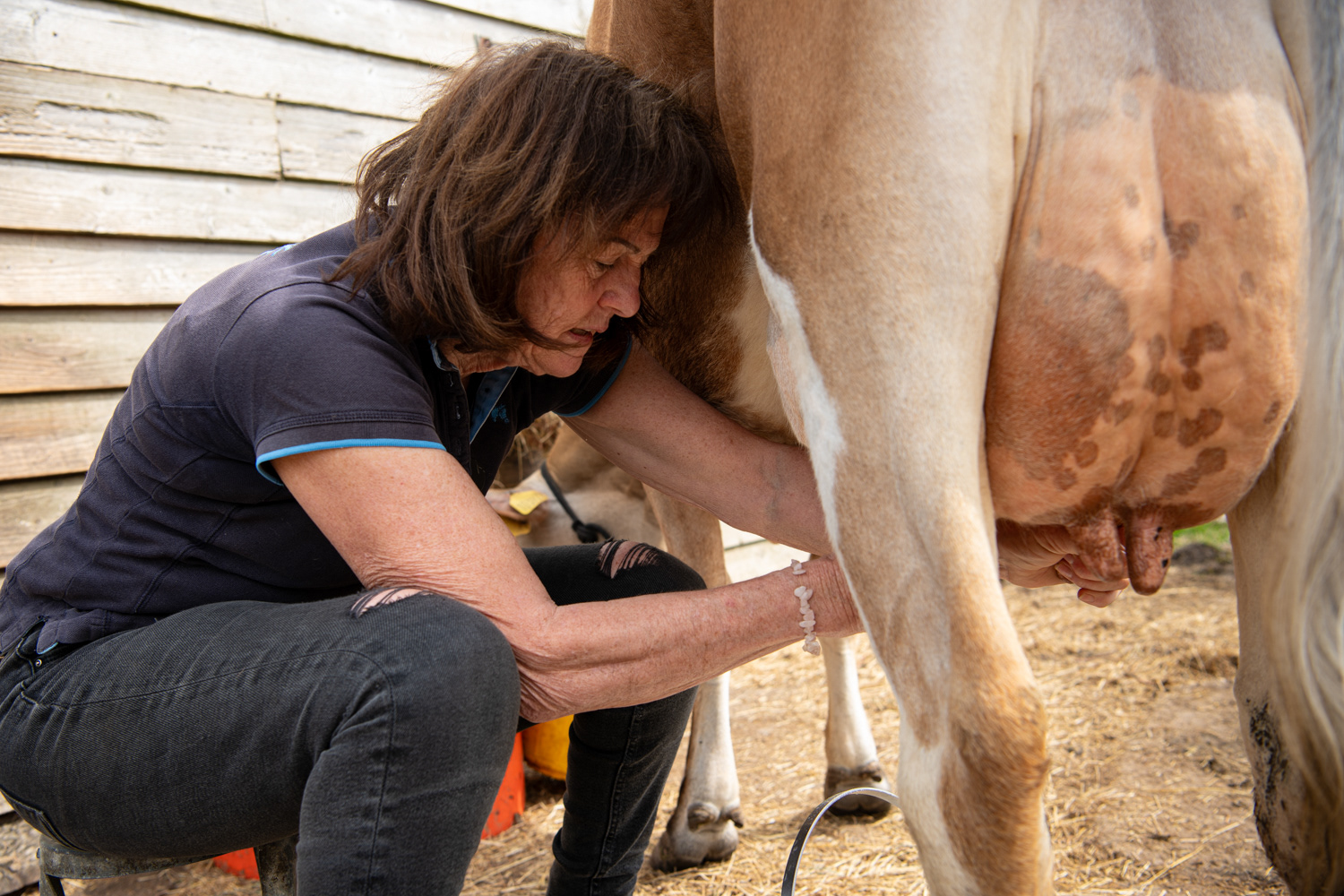
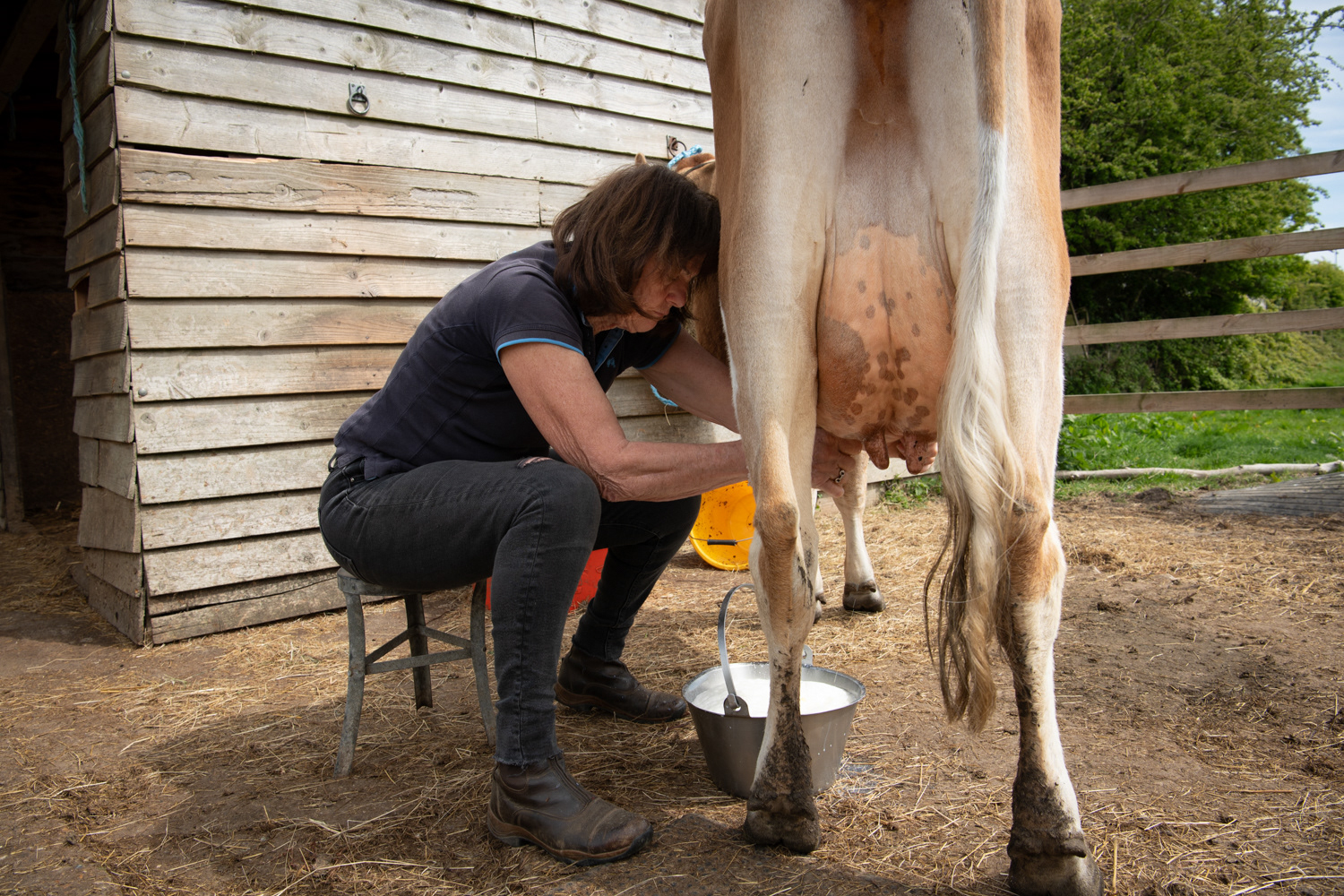
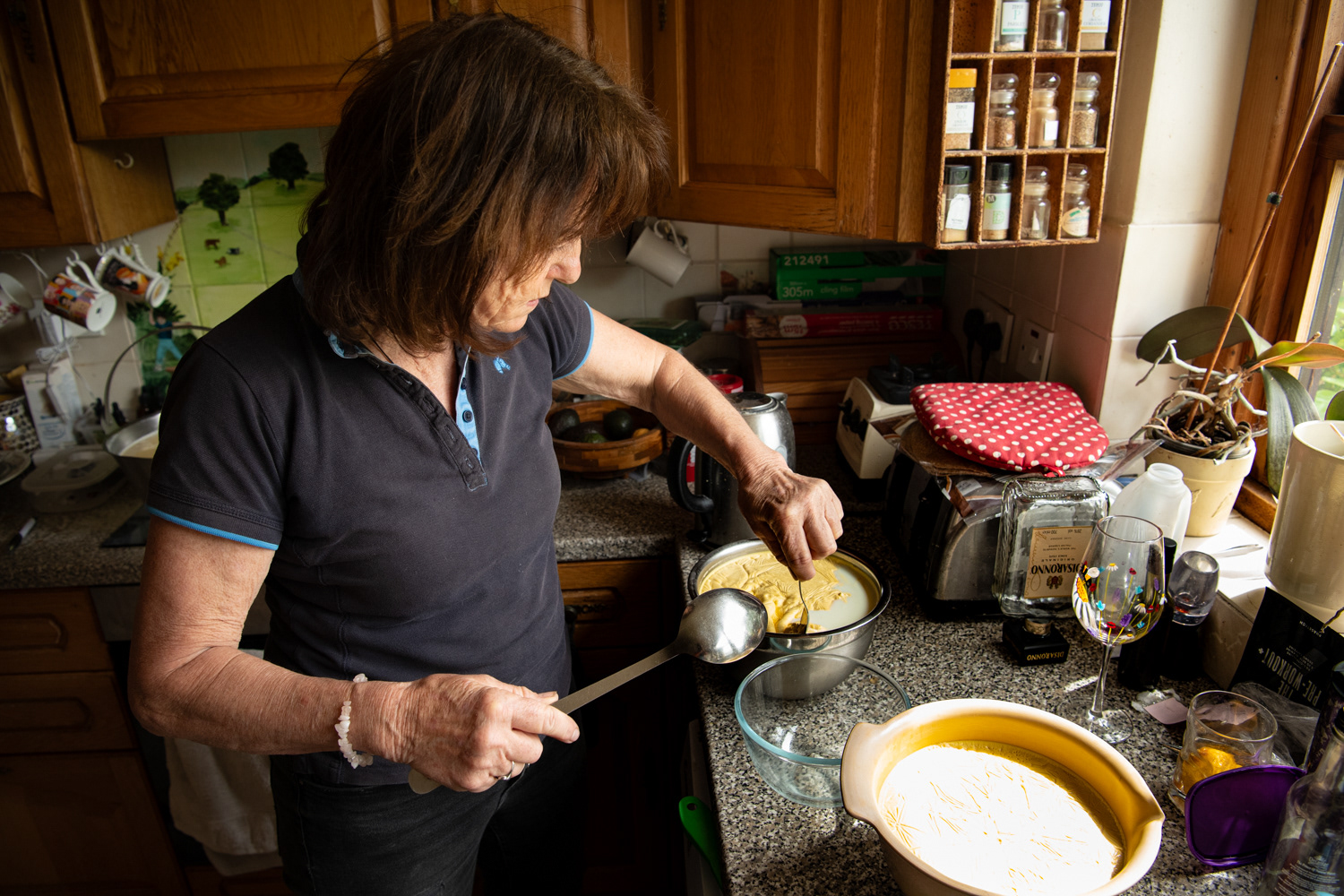
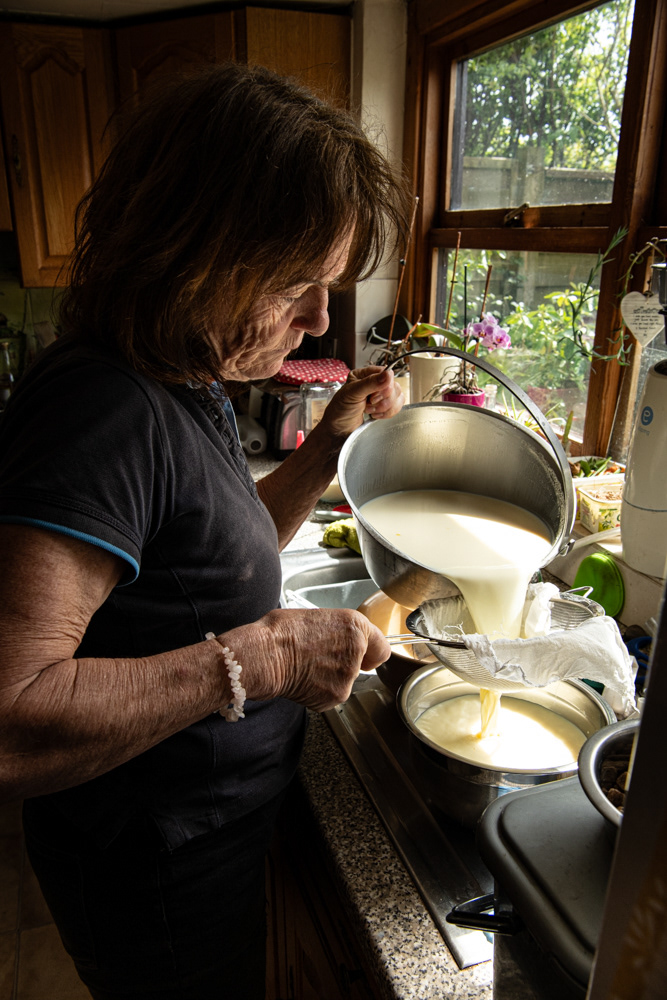
Cathy’s six-acre smallholding sits on Romney Marsh in Kent. She has four cows, three horses, seventeen chickens and two ducks. In the past, she has also farmed pigs. Eggs, milk and beef provide her regular earners, and she has a loyal list of local customers who buy her produce.
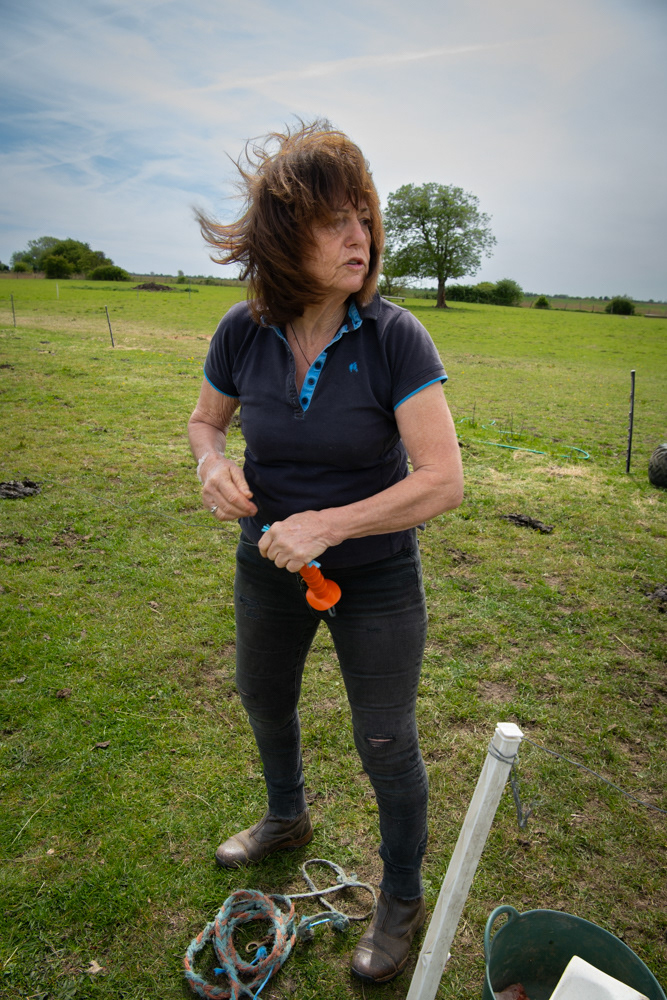
As we walked, Cathy talked about her life and the rhythm of the farm. That morning, she had already lost three chickens to a fox. The mayhem that followed meant her day had started even earlier than usual.
It quickly became clear that Cathy’s days begin before sunrise and often finish long after sunset. Her world appears chaotic from the outside, but to Cathy it is organised. Every animal, every gate and every job has its place.
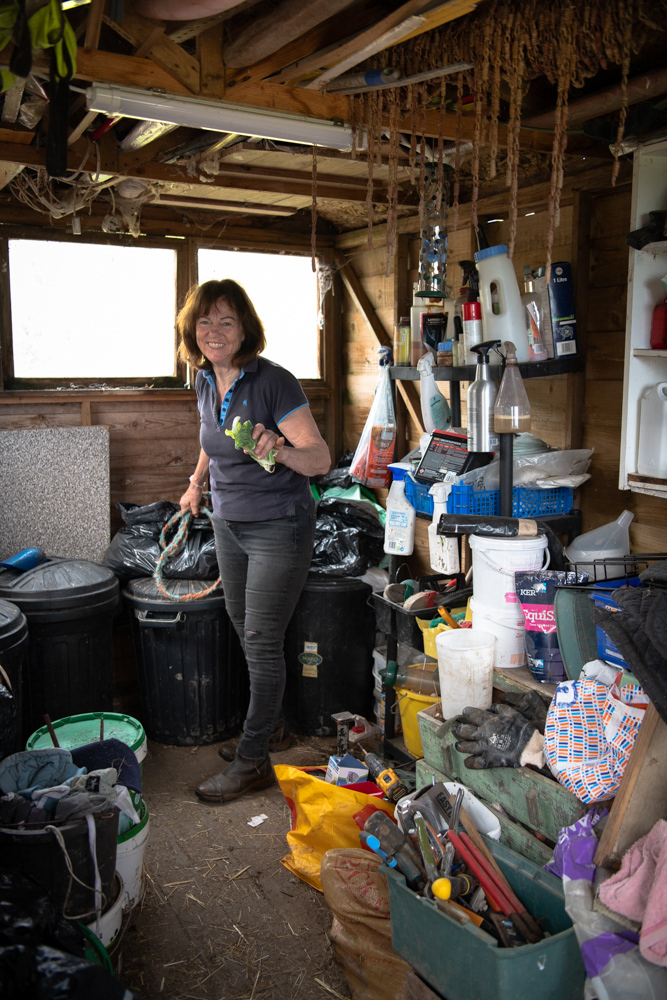
For many people, the idea of living on a small farm and keeping animals is close to a dream. But like many dream occupations, the reality from the inside is very different.
Cathy’s smallholding does not provide a complete living, so she has several income streams. Alongside the physical demands of the work, she also has to battle constantly with regulation, paperwork and rising costs.
The closure of local abattoirs has made things even harder. Her cows now have to travel more than two hours to be slaughtered, something that troubles Cathy deeply. It increases the cost, cuts into already tight margins and, more importantly to her, puts unnecessary stress on the animals.
Then there is the storage, butchery and the cost of getting the meat returned. Add the weather, feed prices, veterinary bills and fox attacks, and the romantic idea of smallholding gives way to a much harder truth.
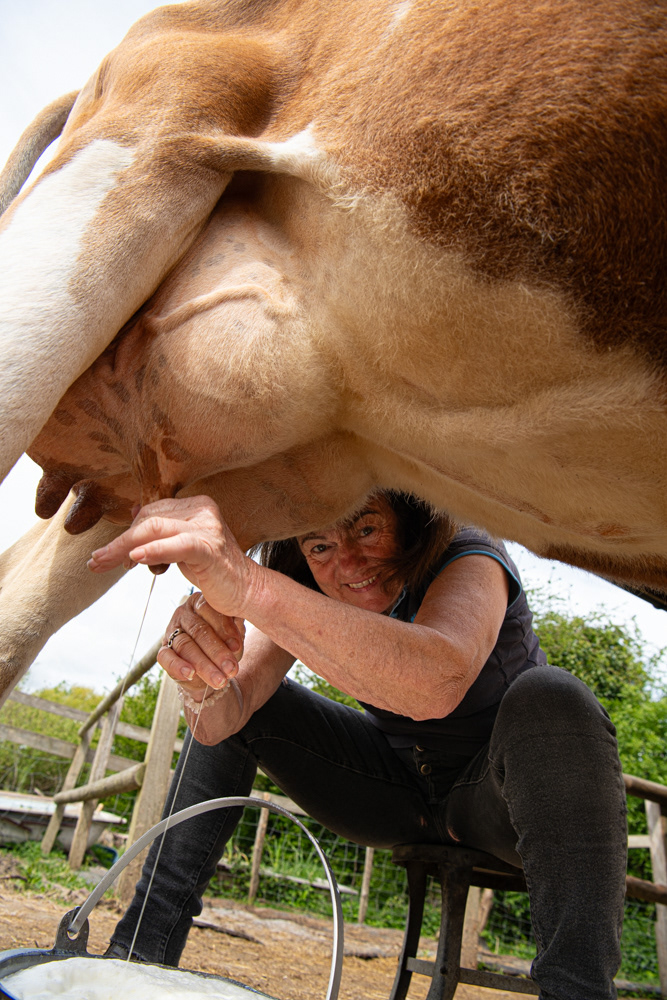
Yet through each difficulty, Cathy’s humour and energy remain. At the heart of everything is her love of the animals and concern for their welfare. She knows each one individually and notices immediately when something is wrong.
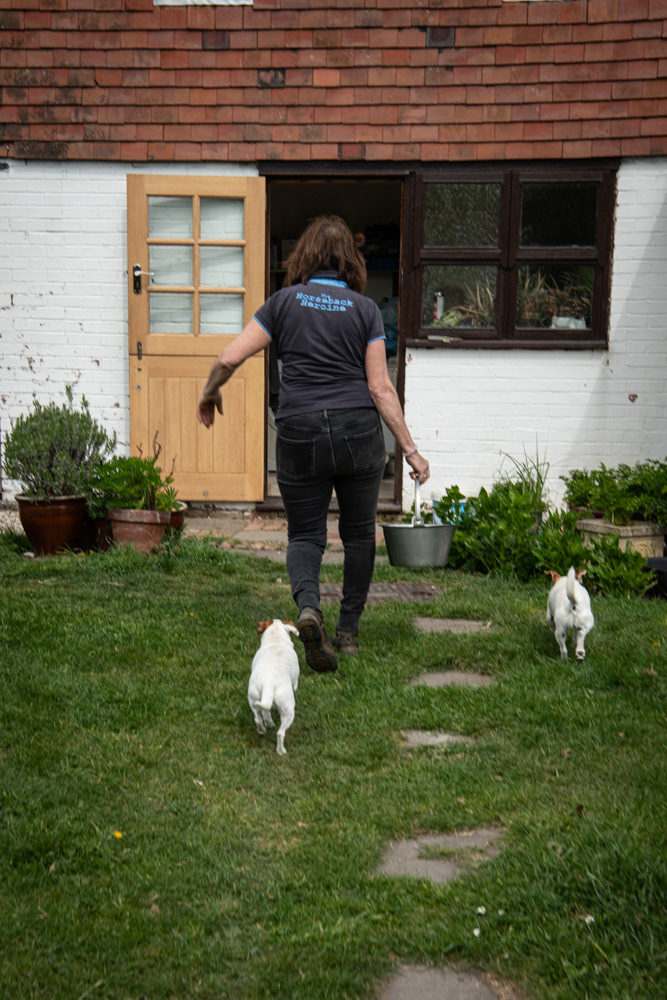
The work is repetitive, physical and often unforgiving, but it is also inseparable from the life she has chosen. There is no neat division between Cathy’s home, her work and the animals around her. Each day is shaped by what needs doing next.
Her life on the Marsh is not the rural idyll people might imagine. It is demanding, precarious and occasionally chaotic. But it is also purposeful, independent and entirely her own.
Cathy’s determination extends beyond the daily work of the farm. When one of her horses was stolen from a nearby field, she refused to wait passively. She pursued the thieves across the country, following information while speaking to the police by telephone and helping to guide them towards the horse.
The articles were eventually recovered and has remained with her ever since.
A local journalist called her the Horseback Heroine, a name Cathy later built a brand around.
Cathy’s Photographic Narrative
A wider view of Cathy’s working life, her animals and the six acres she tends on Romney Marsh.