A rite of passage shaped by pride, responsibility and Maasai tradition
On the plains of the Maasai Mara, becoming a Moran marks one of the most important stages in a young man’s life. Through ceremony, responsibility and belonging, he takes his place within the community, carrying forward traditions that continue to adapt to a changing world.
Words and photographs by Hax
When you sit around a campfire in the African bush, you learn many things from the conversations that happen there. Away from the noise and routine of the day, people talk differently.
Stories unfold slowly. Questions lead somewhere unexpected, and knowledge is shared in a way that feels natural. One evening, when there were no guests in camp, my friend Ole Minyaka and I sat beside the Mara River cooking a leg of goat and ugali over the fire.
Ole Minyaka is Maasai and works as a game-drive guide. Over the years, we have spent many hours together on the plains of the Maasai Mara, often waiting quietly beside wildlife or watching animals move across the grasslands.
We have also spent long evenings around campfires talking about his culture. Much of my understanding of Maasai life has come from those conversations. That evening, as the goat cooked slowly over the fire, I asked him about the Moran and what it meant for a young Maasai man to become a warrior.
The life stages of Maasai men are marked by ceremony, responsibility and membership of an age group.
As children, boys begin by caring for goats. As they grow older, they take on greater responsibility, eventually herding cattle and learning to protect both themselves and the livestock.
For many young Maasai boys, becoming a Moran is something they look forward to with enormous pride. It is a rite of passage into manhood and a public recognition that they are ready to take on a greater role within their community.
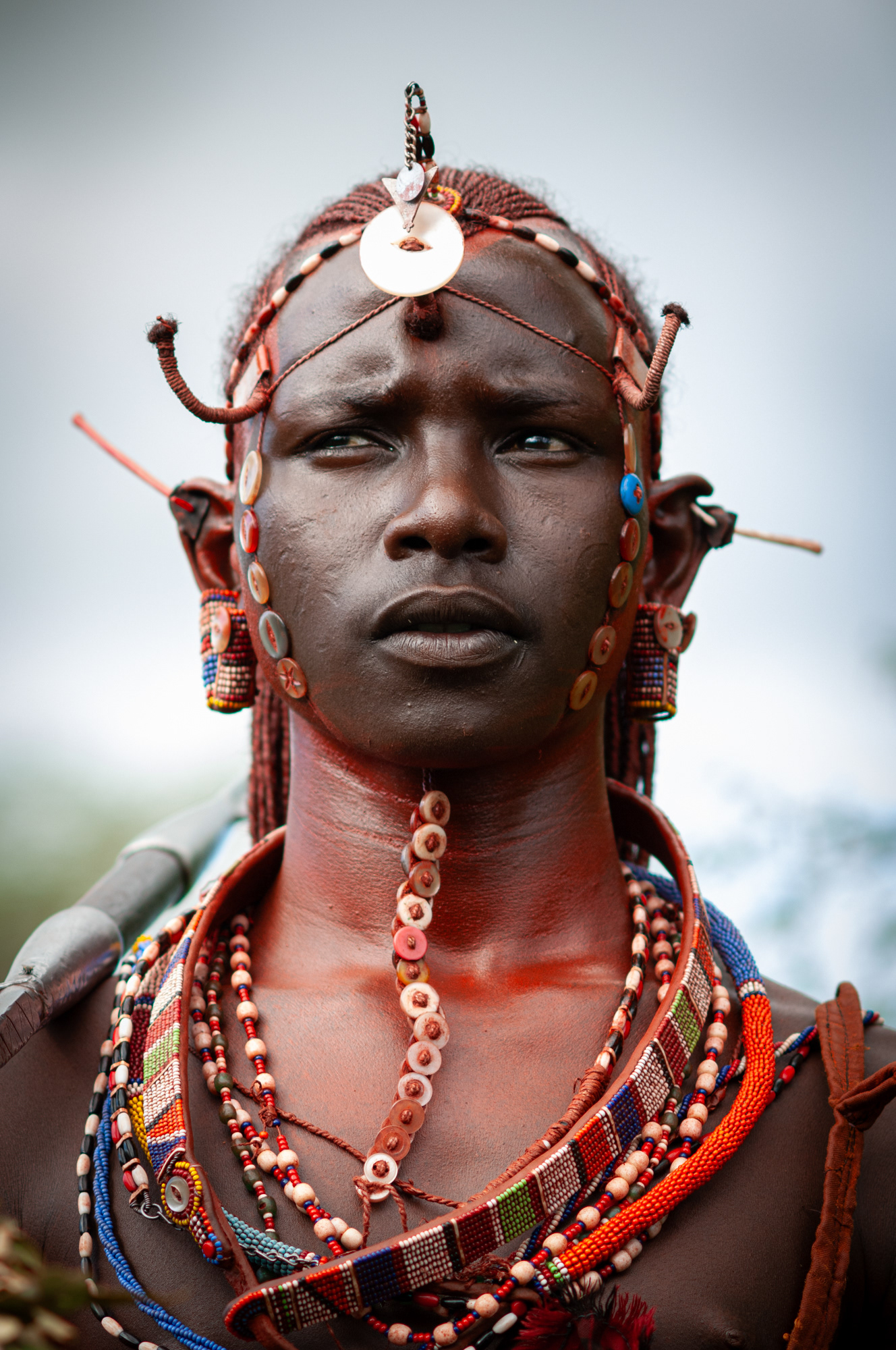
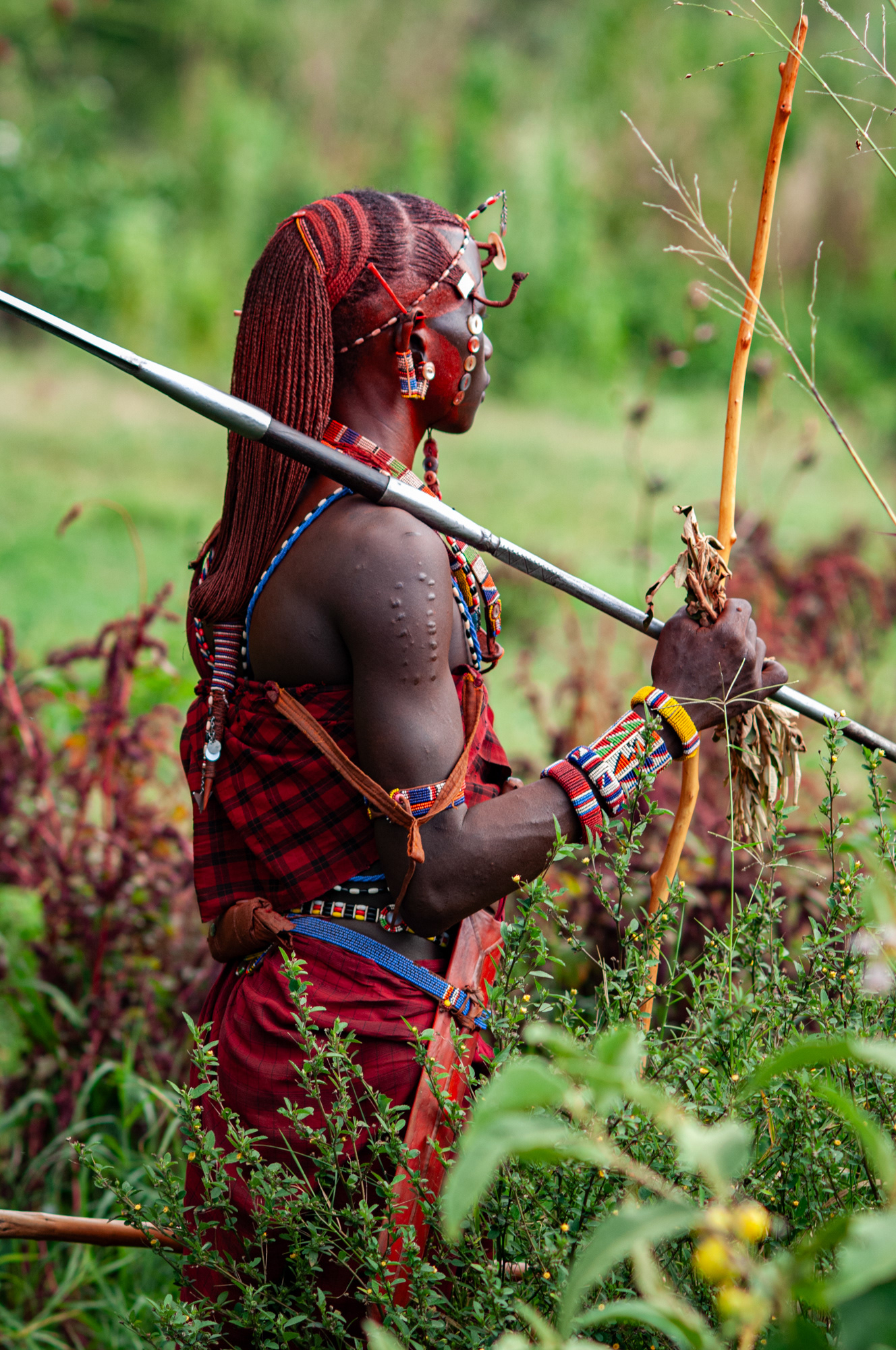
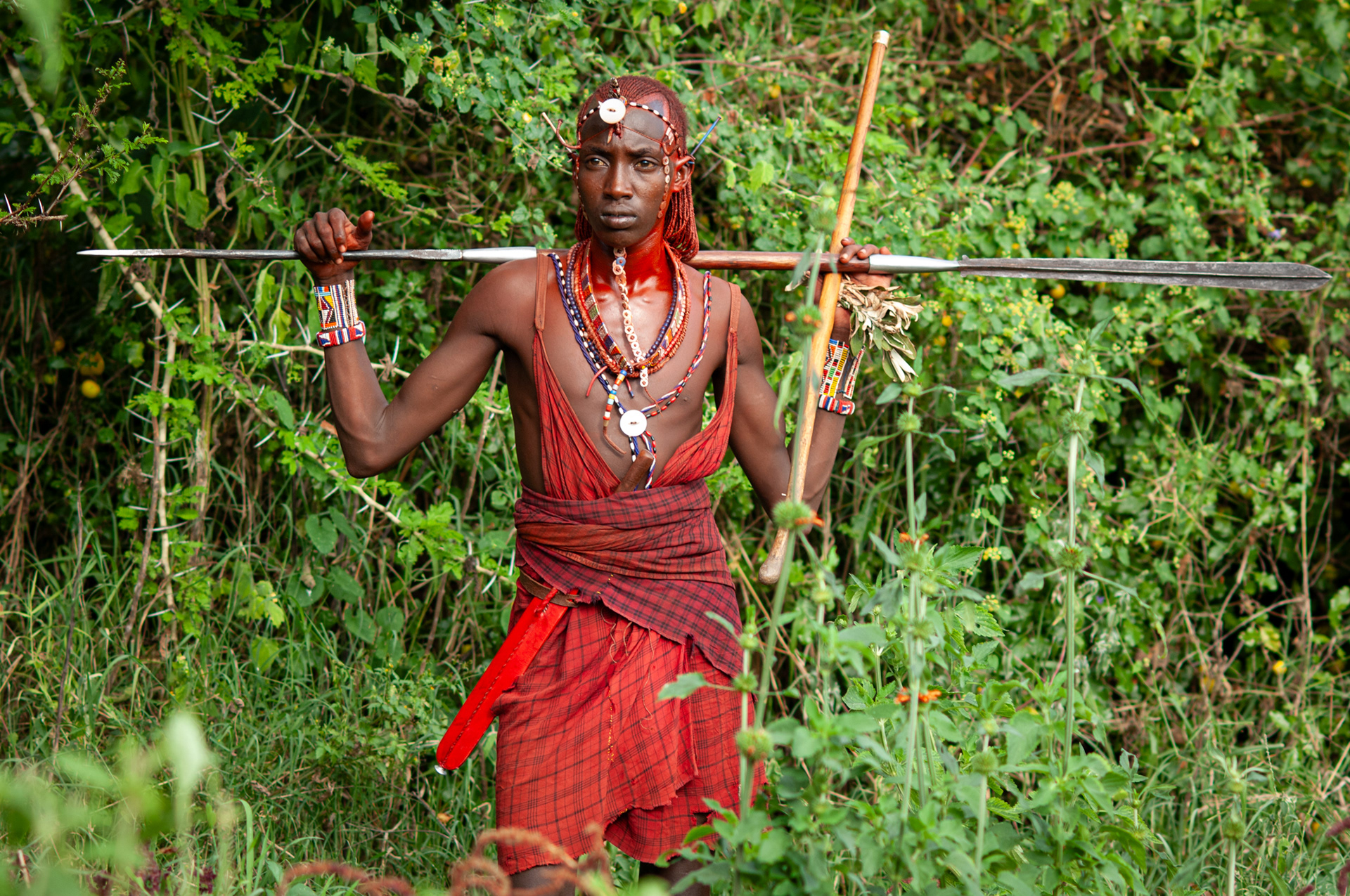
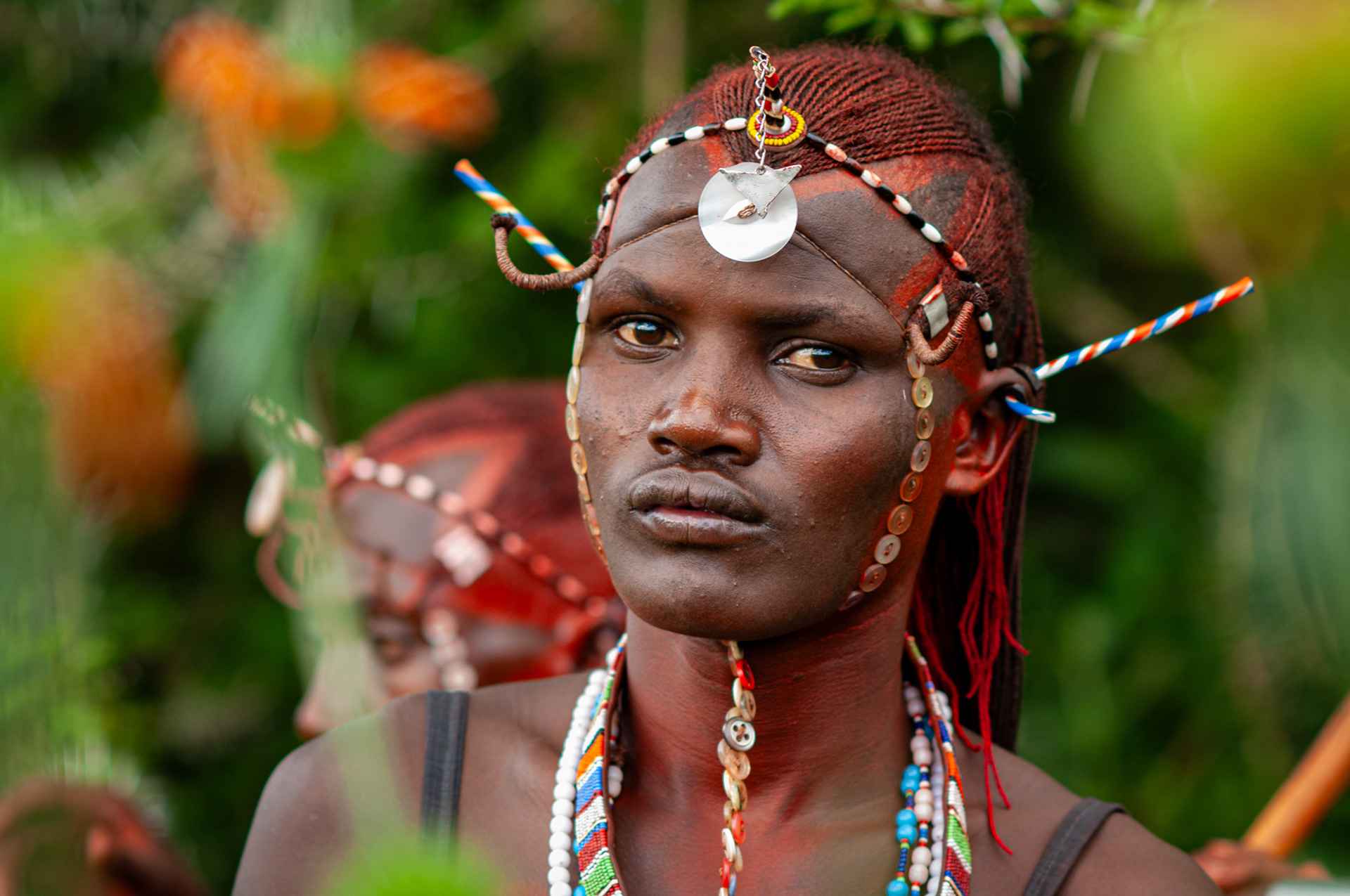
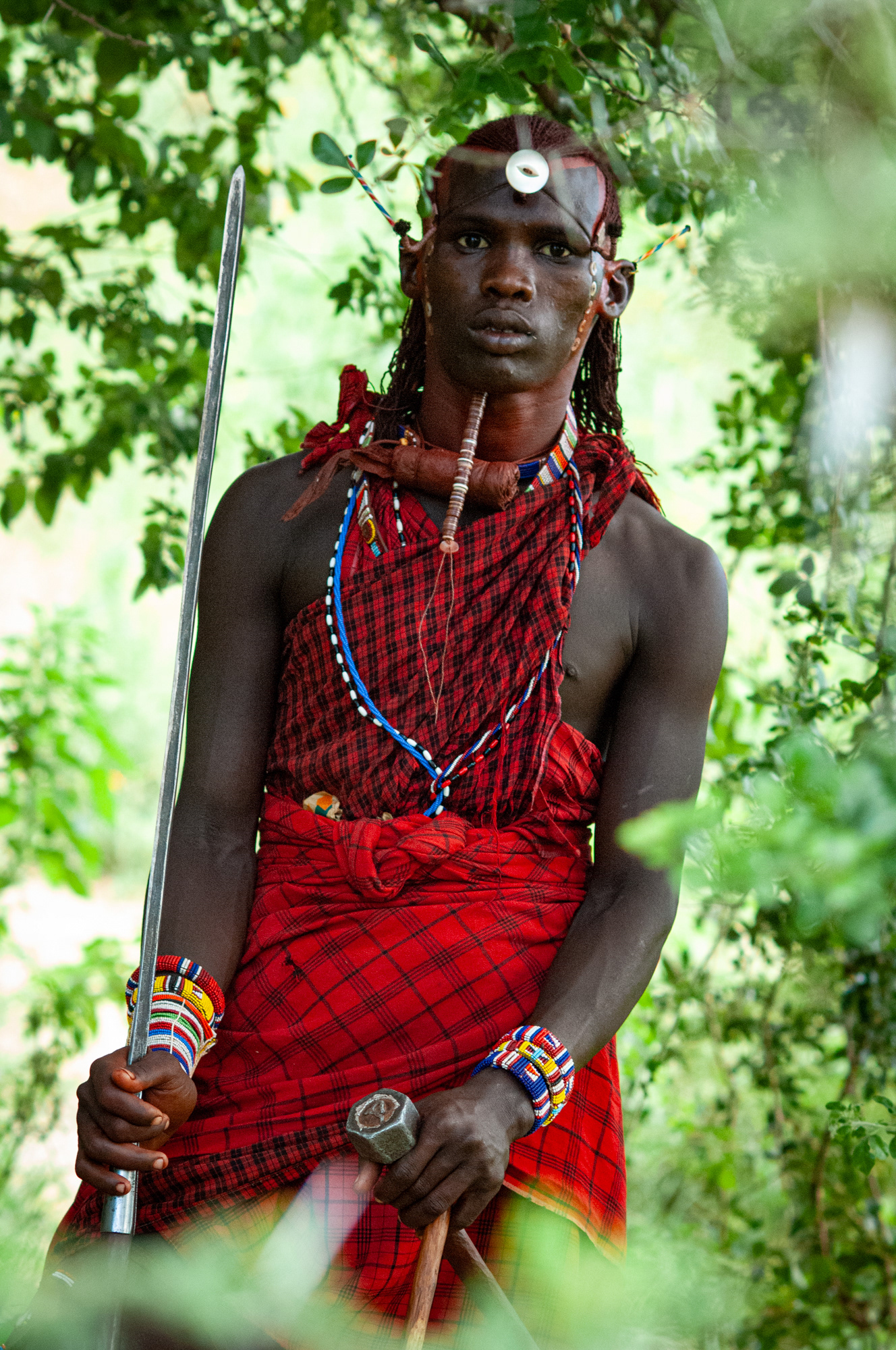
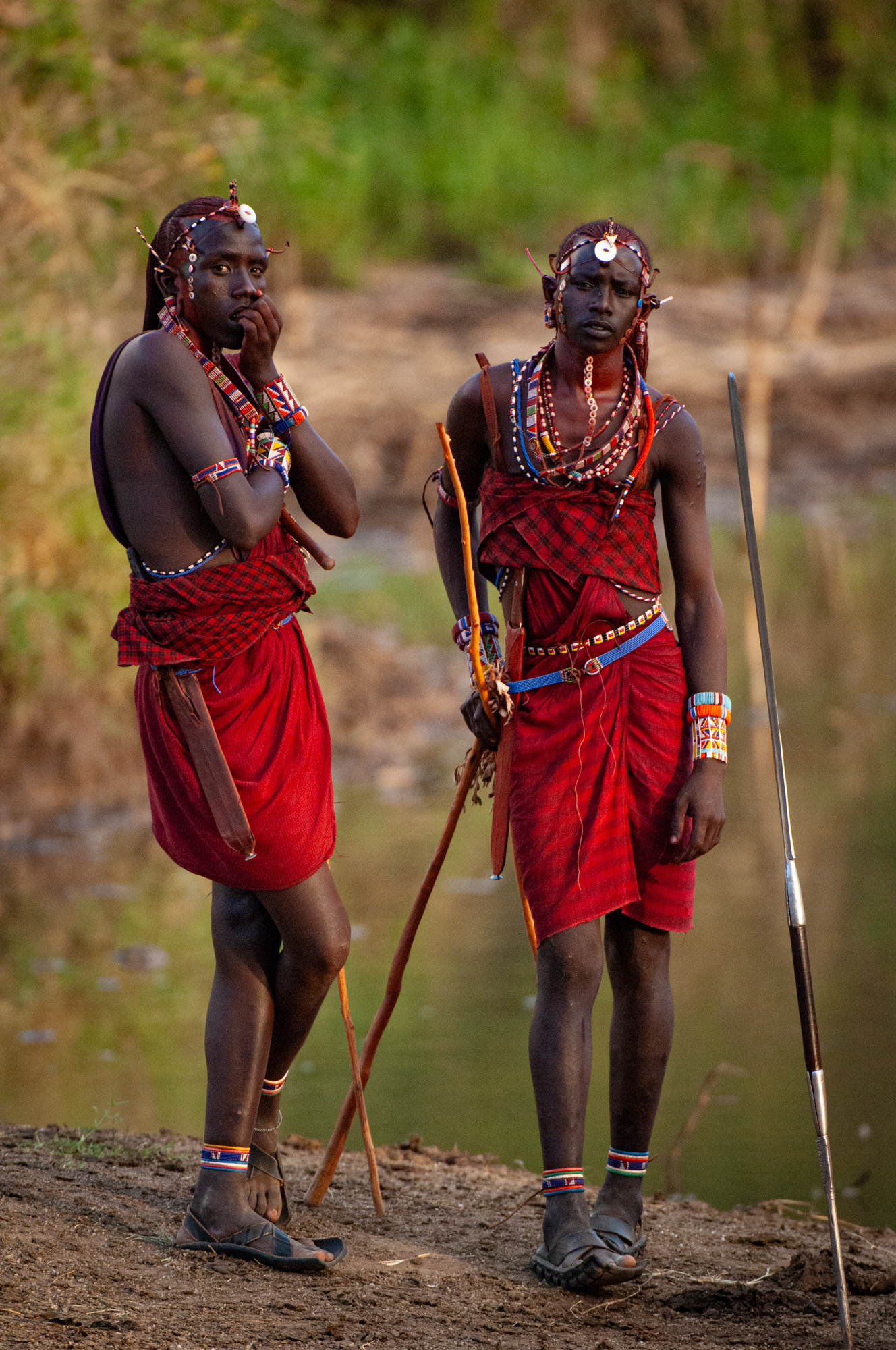
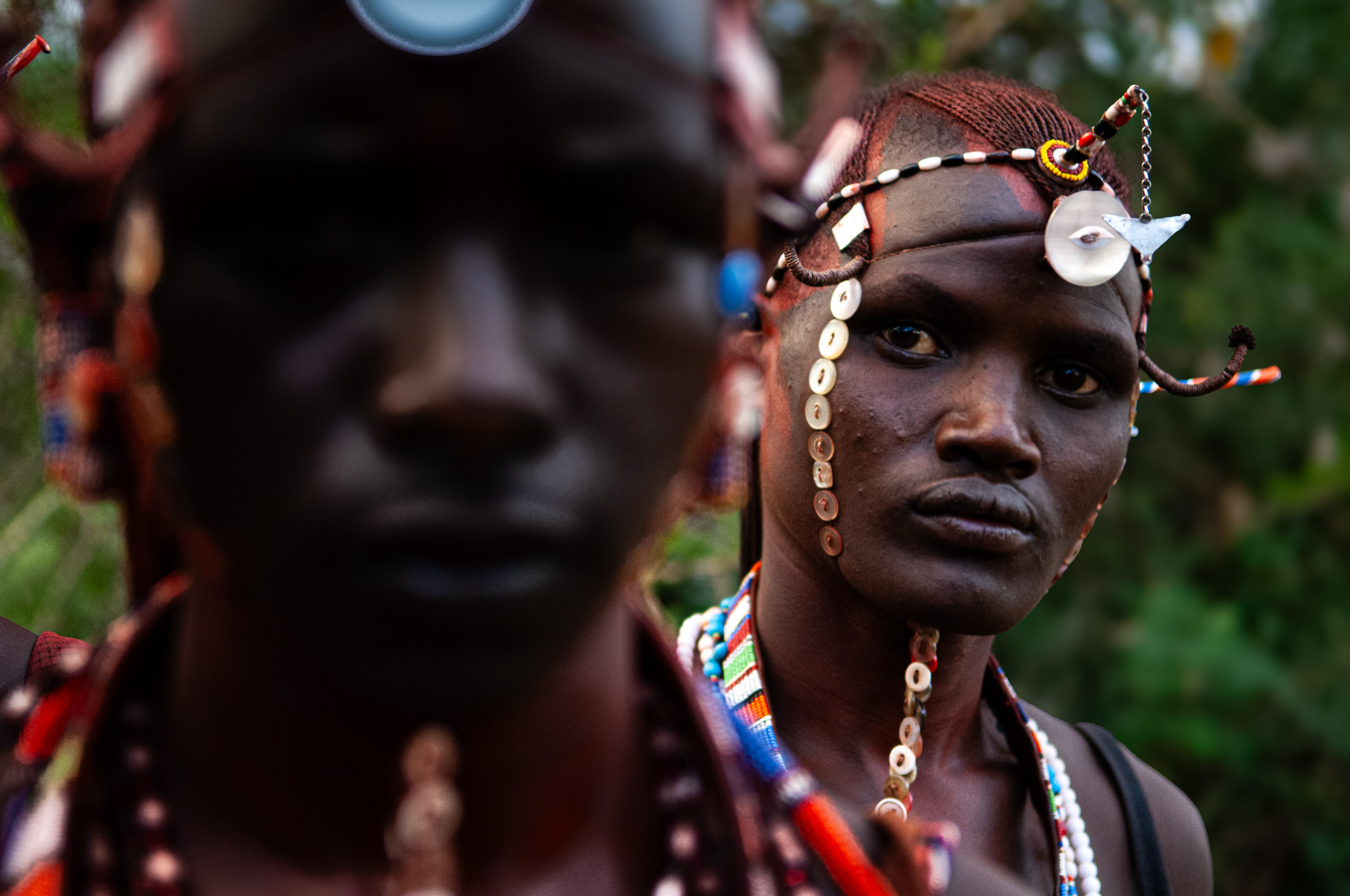
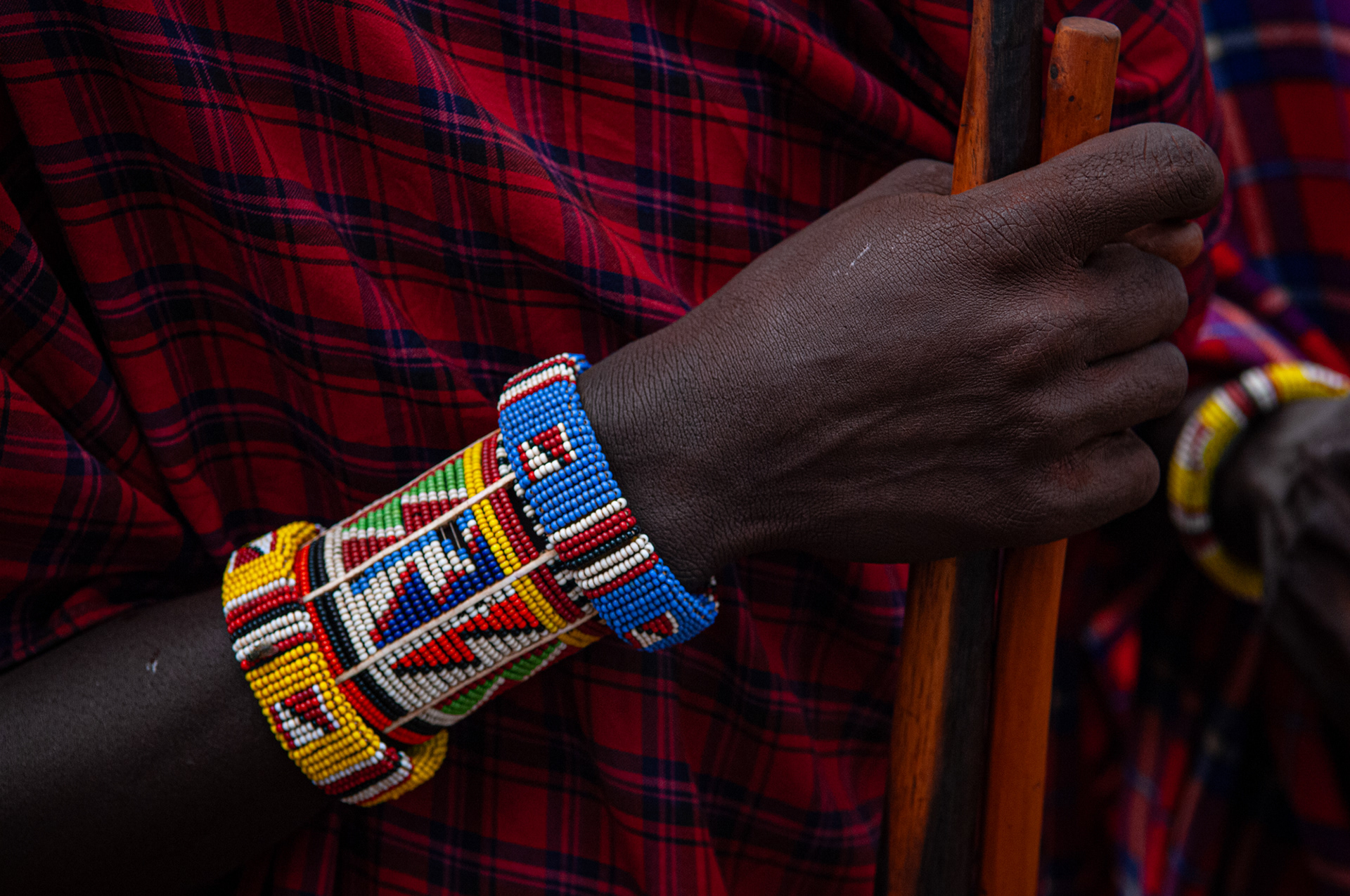
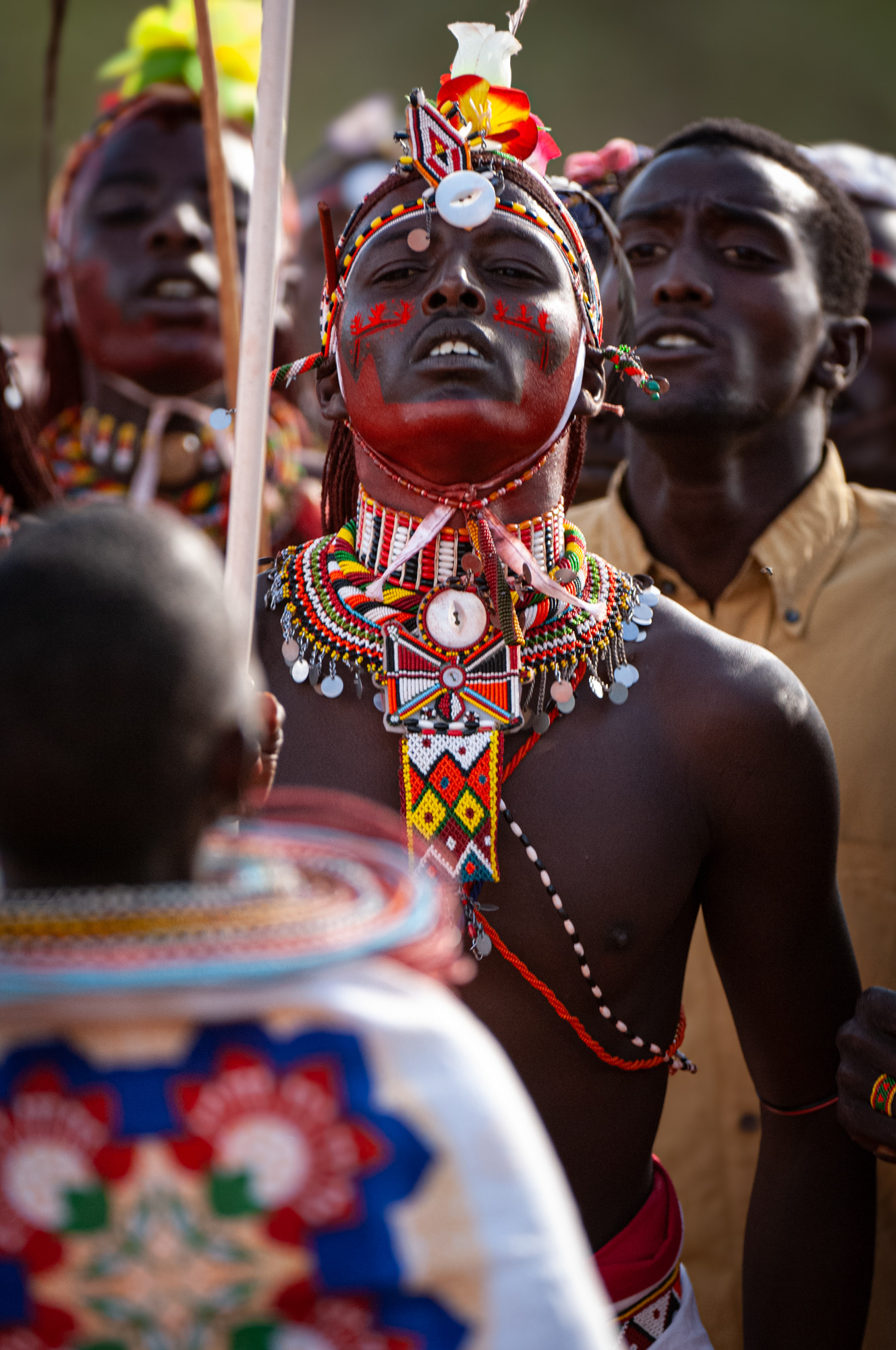
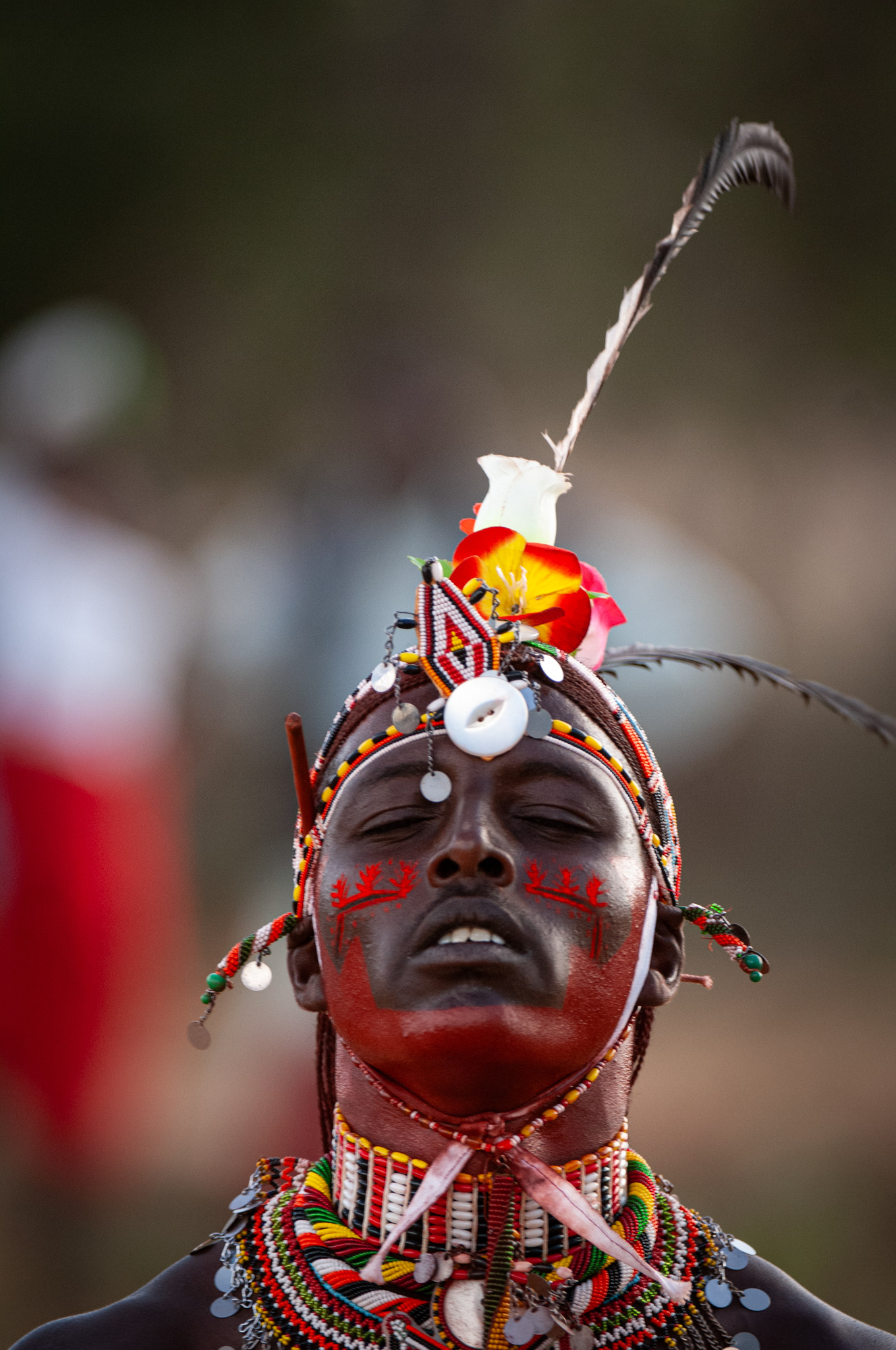
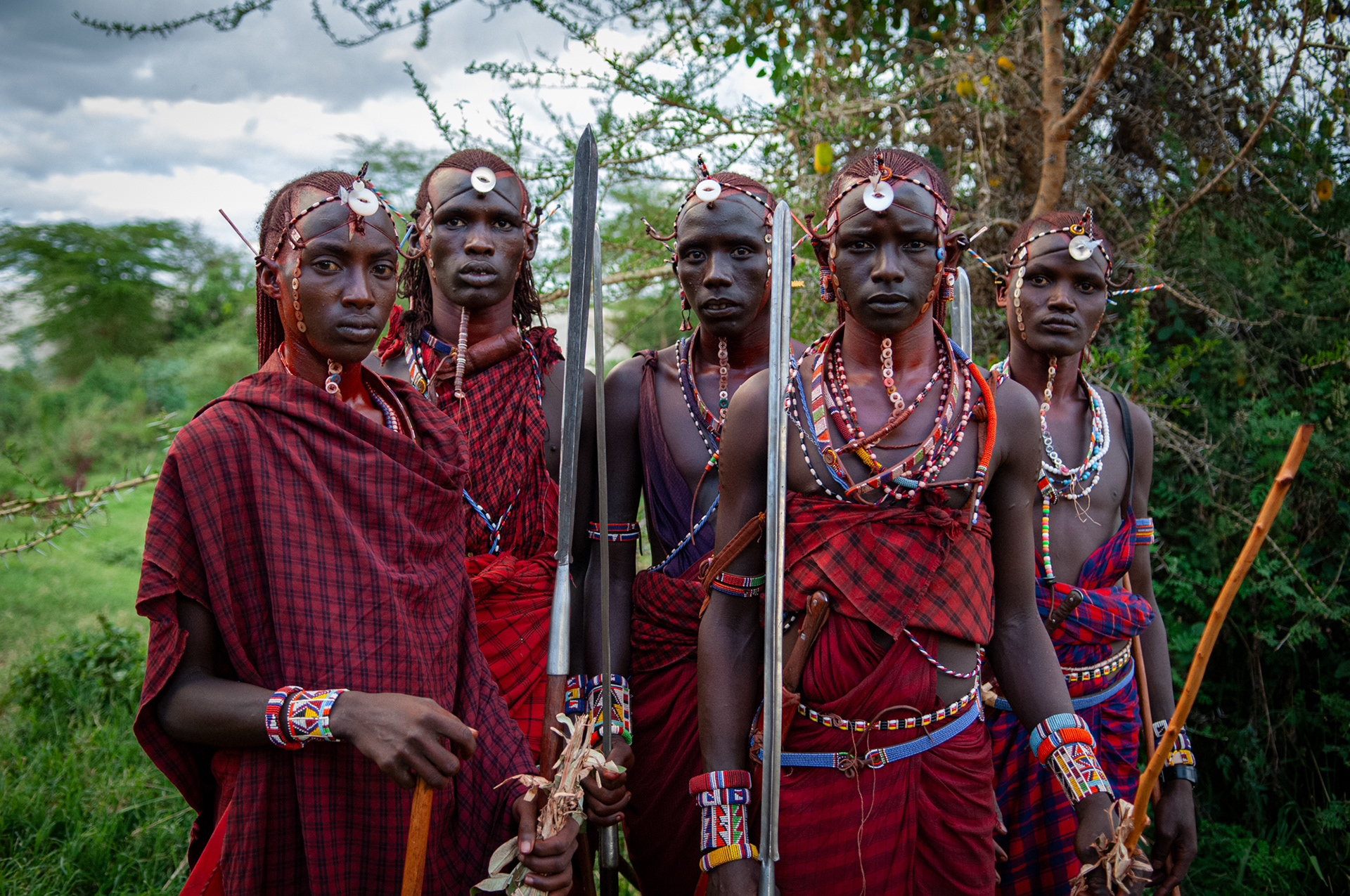
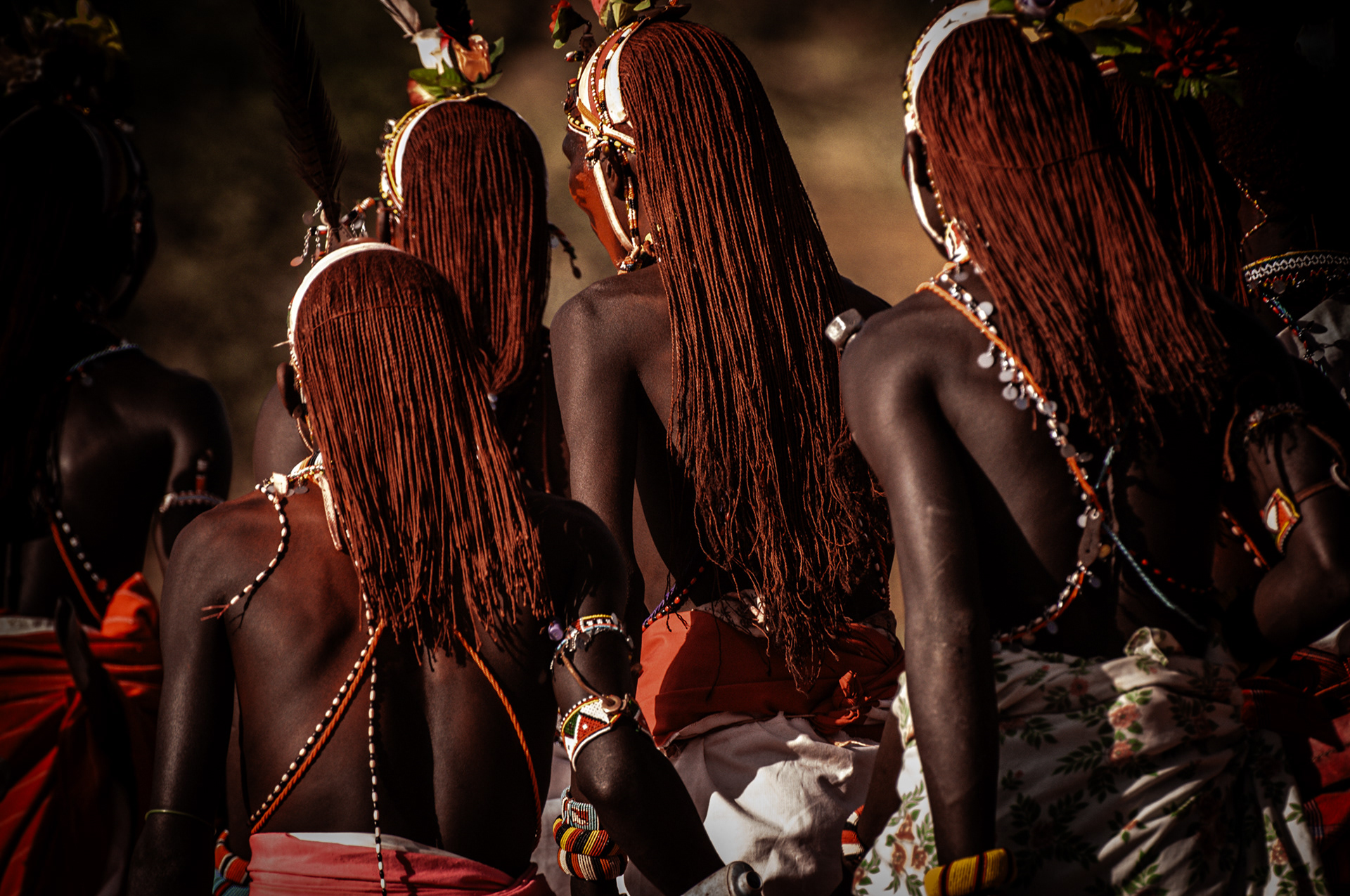
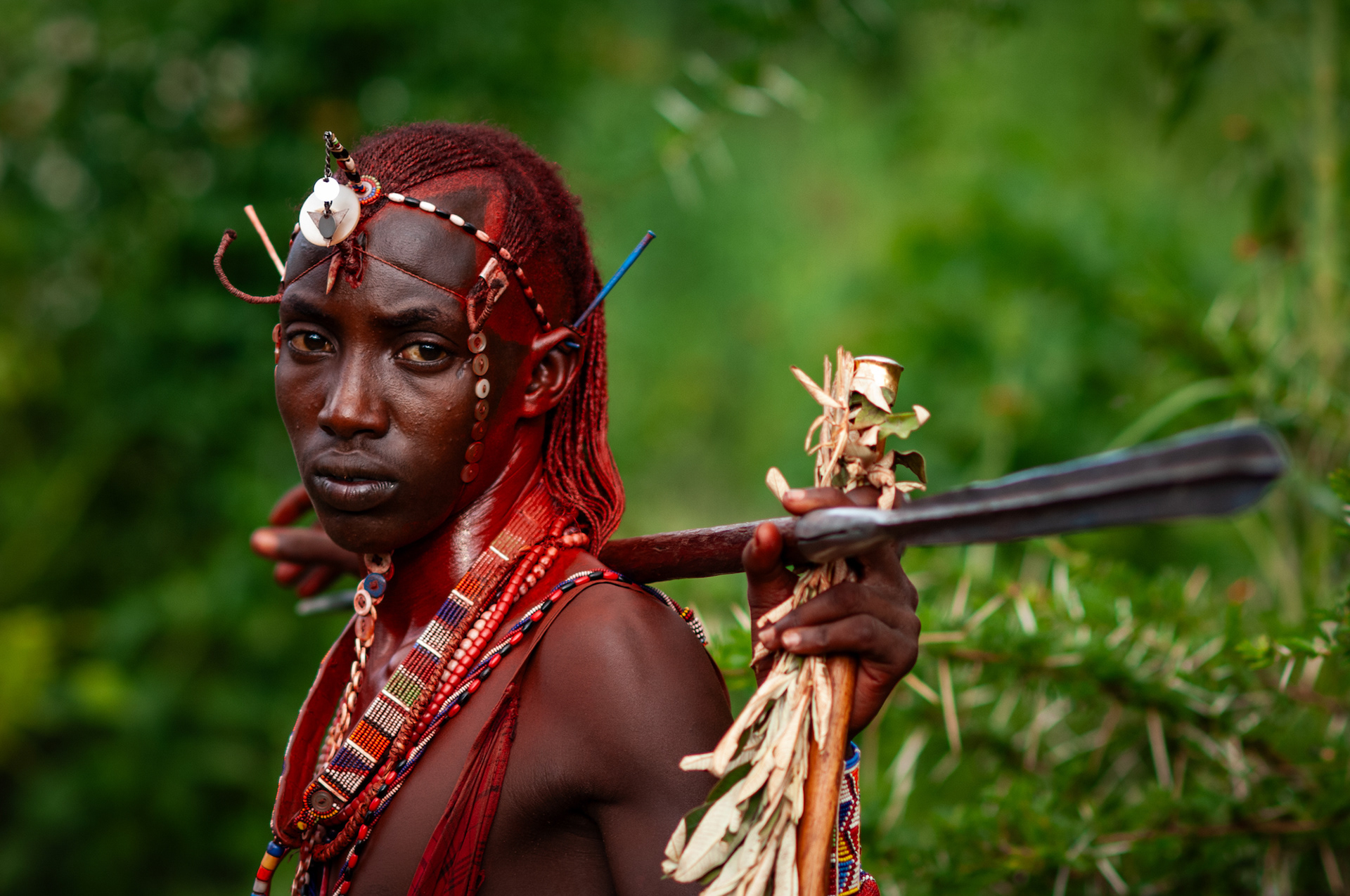
Traditionally, the Moran became guardians of their area. Their appearance reflected the importance of that role. Their hair was grown and braided, their skin painted with red ochre mixed with fat, and their clothing and beadwork became more elaborate.
When seen together in full regalia, the effect is extraordinary.
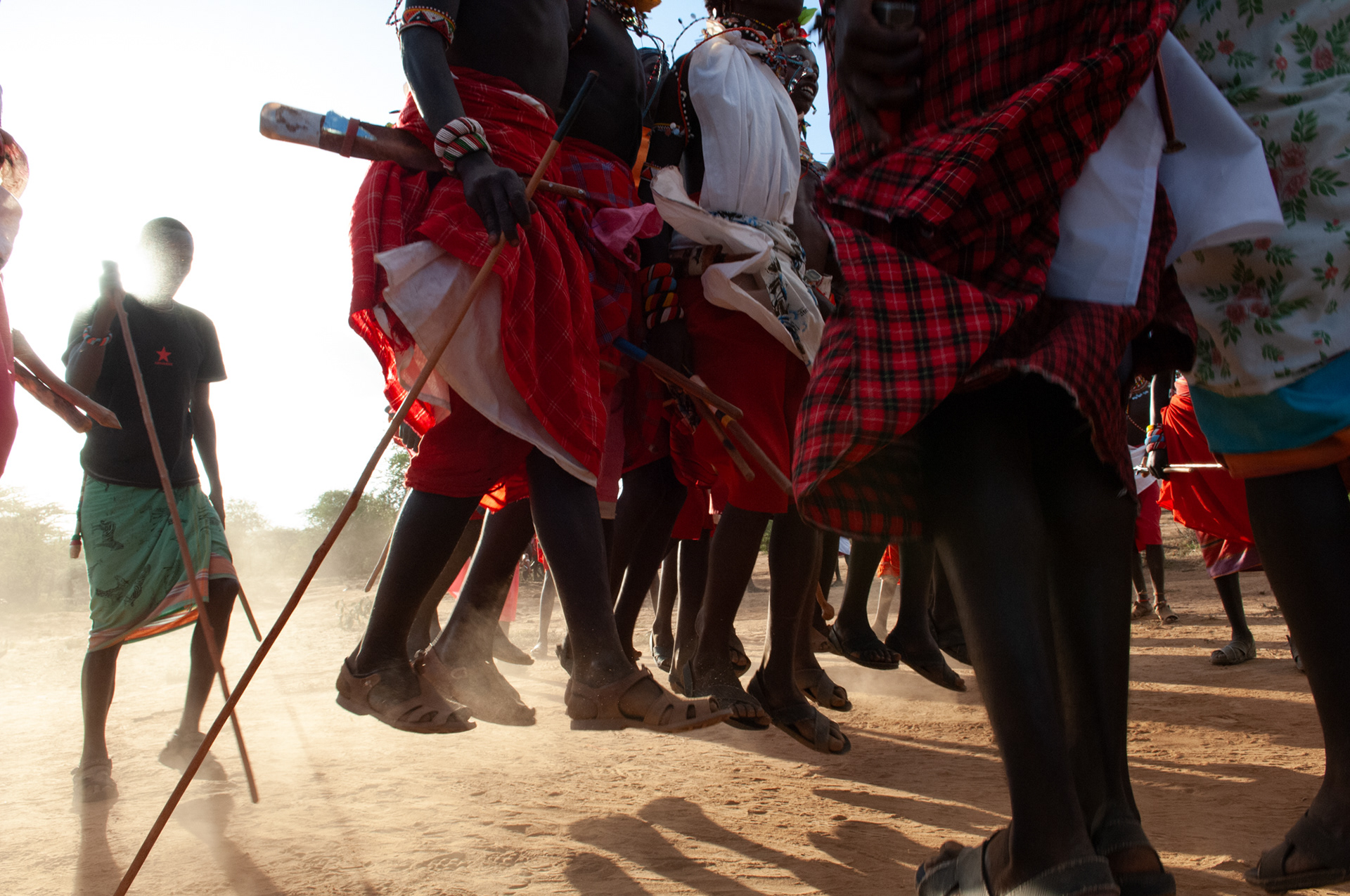
The red shukas, carefully braided hair, ochre-painted skin and intricate beadwork give the Moran a presence that is difficult to ignore. There is pride in the way they carry themselves and a clear awareness that this stage of life allows them to be seen.
If I had to describe the rite-of-passage ceremony, I would say it was like prom night — but on steroids.
Yet the meaning of the tradition goes far beyond appearance.
Becoming a Moran brings responsibility. It marks the beginning of adult life and the period when a young man begins to build his own standing, acquire livestock and prepare for the future.
Cattle and goats have traditionally represented wealth and security. They can be traded, exchanged and passed between families, and remain central to both practical life and social identity.
The role of the Moran has changed.
The likelihood of tribal warfare has diminished, and many young Maasai men now work in tourism, conservation and guiding. Their earnings support their families and allow them to buy livestock of their own.
Few remain dressed in full ceremonial regalia throughout their years as Moran, but the rite of passage continues to carry meaning. It connects each generation to the one before it and allows young men to take their place within the community.
As the fire burned down beside the Mara River, Ole Minyaka continued to explain the customs he had grown up with. What stayed with me was not simply the spectacle of the clothing or the ceremony, but the pride, responsibility and sense of belonging behind it.
In his account of his journey through Maasailand in 1883, Explorer Joseph Thomson wrote:
“What splendid fellows.” when he first saw the Maasai Morans for the first time.
Whenever I see the Moran standing tall in their red shukas, decorated with beads and ochre, I find myself agreeing with him.
The Moran Photographic Narrative
A wider view of Maasai warrior hood, its ceremony, regalia and the pride and responsibility carried by young men as they enter this important stage of life.